

A pet owner matching bandana is a coordinated accessory set where both the dog and the owner wear bandanas made from the same fabric, print, or color palette. This “twinning” concept sits at the intersection of pet fashion and personal style. Brands like Pawcaptain and Dog Bandana Co. have turned it into a full product category. Rover surveys show nearly 7 in 10 US pet owners plan to watch sporting events with their pets, and that kind of closeness naturally extends to how people dress. The pet owner matching bandana explained here covers everything from fabric selection to social occasions.
What is the pet owner matching bandana trend?
Matching bandanas for dogs and owners are part of the broader “coordinated pet apparel” category. The concept is simple: one print, two wearers. The dog gets a neck bandana, and the owner gets a matching neck gaiter, silk scarf, or hair scrunchie in the same pattern.
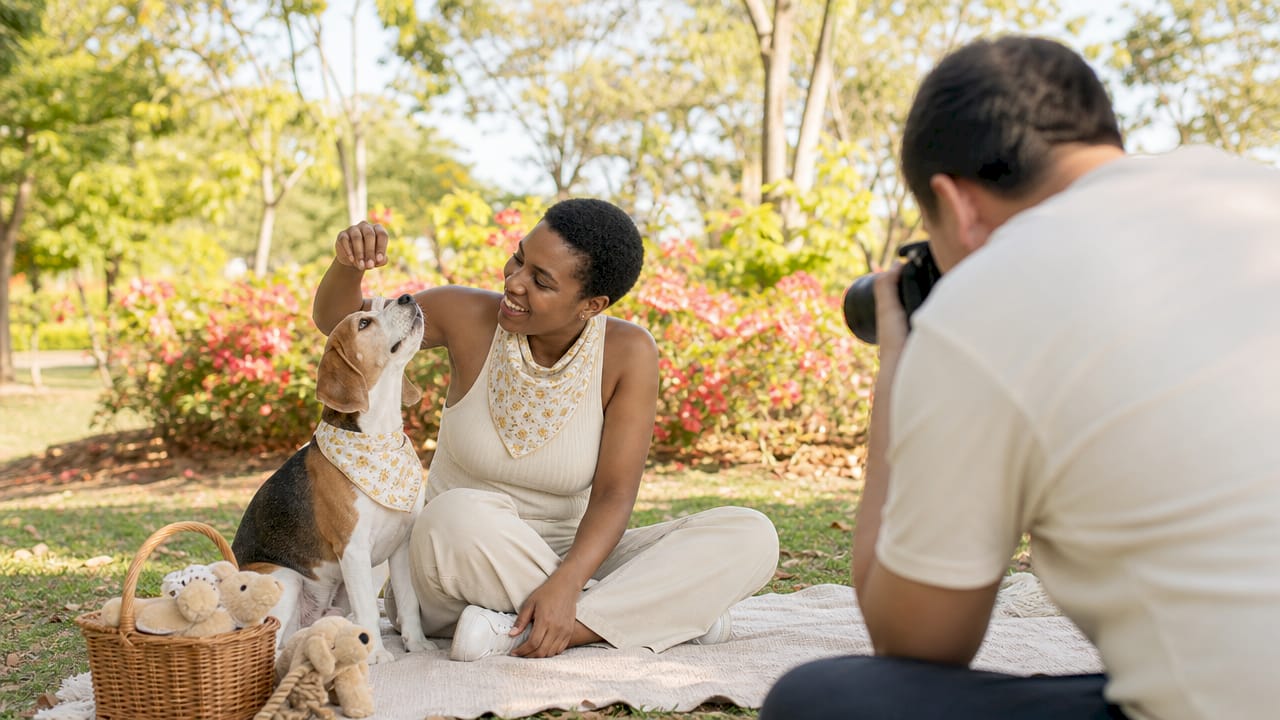
Matching sets using identical prints for pets and owners are marketed heavily on Instagram and TikTok. That social media visibility has pushed the trend from niche to mainstream in under two years. Pawcaptain’s Palmetto Pickle Club matching set is a direct example of this format, pairing a dog bandana with a coordinating human accessory in one purchase.
The appeal is not just visual. Wearing matching accessories signals to others that you treat your dog as a full member of the family. That message resonates at events, on walks, and in photos.
How pet humanization drives demand for matching bandanas
Pet humanization is the documented shift in how owners perceive and treat their pets, applying the same standards of quality, comfort, and style to animal goods as to human goods. This trend has permanently shifted consumer expectations, and pet owners now demand the same aesthetic standards for pet bandanas as for their own apparel.
This shift has real consequences for product design. Brands can no longer sell thin, poorly dyed fabric as a pet bandana and expect repeat customers. Owners compare texture, colorfastness, and print quality side by side with their own accessories.
Key ways pet humanization reshapes the matching bandana market:
- Fabric parity. Owners expect pet bandanas to use the same combed cotton or woven fabric as the human version in the set.
- Print consistency. The dog’s bandana and the owner’s scarf must use the same dye lot. Slight color shifts between pieces break the coordinated look.
- Sizing options. A bandana that fits a Chihuahua and one that fits a Great Dane require different construction, not just different dimensions.
- Wash durability. Pet bandanas get dirty fast. Owners expect them to survive repeated machine washing without fading.
Pro Tip: When buying a matching set, check whether the brand manufactures both the pet and human pieces in house. Brands that handle both items under one roof guarantee color and fabric consistency that cross-vendor sourcing cannot.
How to pick matching dog and owner bandanas
Selecting the best matching bandanas for dogs and owners comes down to five practical factors. Getting these right means the set looks good, stays comfortable, and lasts.
-
Choose breathable, washable fabric. Combed cotton is the standard for both pet and owner bandanas. It breathes well in warm weather, holds color through washing, and sits softly against skin and fur. Avoid synthetic blends for dogs, since they trap heat.
-
Size the dog bandana correctly. Measure your dog’s neck circumference and add two inches for comfort. A bandana that pulls tight is a safety risk. One that hangs too loose can catch on objects. Most brands offer small, medium, and large cuts tied to neck measurements, not breed names.
-
Coordinate color with your dog’s coat. High contrast works best. A navy plaid bandana pops against a golden retriever’s coat. A white or cream print disappears on a light-colored dog. Choose a pattern where at least one dominant color contrasts with your dog’s fur.
-
Match the human accessory to the occasion. A neck gaiter works for outdoor events and hikes. A silk scarf suits farmers’ markets and casual dinners. A hair scrunchie is the lowest-profile option for everyday wear. Dog Bandana Co.'s double-sided tie and snap bandana with a matching ribbon scrunchie won Best in Show at Global Pet Expo in 2026, showing that thoughtful design details matter.
-
Check customization options. Some brands, including Pawcaptain, offer made-to-order sets. That means you can request a specific print or color combination rather than choosing from a fixed catalog. Custom sets eliminate the color mismatch problem entirely.
Pro Tip: Order a physical swatch or check the brand’s return policy before buying a full set. Screen colors vary, and what looks like a deep teal online can arrive as a muted gray in person.
When and where to wear a matching pet and owner bandana
Matching bandanas are not just for photo shoots. They serve real social functions at specific types of events, and the benefits go beyond aesthetics.
Events where matching bandanas make the biggest impact:
- Sports viewing parties. 34% of US pet owners actively dress their pets in team apparel for major events. A matching bandana in team colors is the simplest version of this.
- Adoption fairs. Dogs wearing colorful bandanas at adoption fairs attract noticeably more attention and positive interaction from potential adopters. Shelters use this effect deliberately.
- Farmers’ markets and outdoor festivals. These are high-traffic, pet-friendly environments where a coordinated look generates conversation and social connection.
- Holiday gatherings. Seasonal prints, such as plaid for fall or nautical stripes for summer, tie the look to the occasion without requiring a full costume.
The functional side of bandana color:
| Bandana color | Nonverbal signal |
|---|---|
| Green | Friendly, approachable dog |
| Yellow | Needs space, cautious around strangers |
| Red | Do not approach without asking |
| Orange | No other dogs nearby, please |
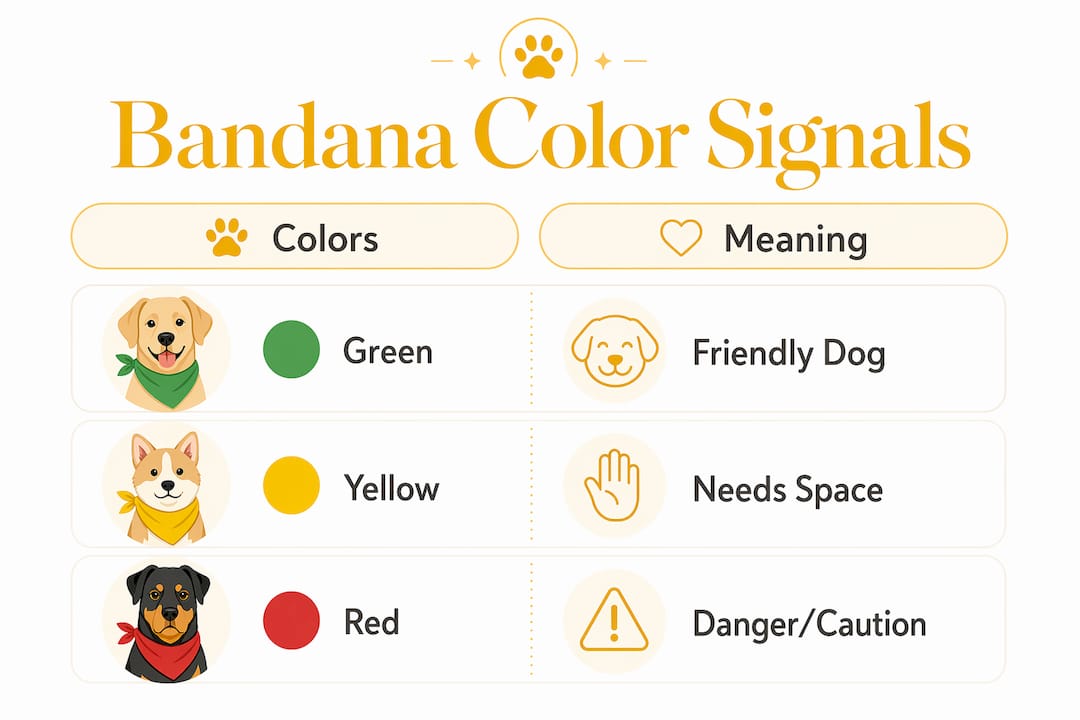
Professional-grade bandanas use standardized color codes to communicate a dog’s temperament and training status to others in public spaces. This system works independently of style, so a matching set can be both fashionable and functional if the owner chooses the right base color.
Brightly colored and patterned bandanas on large dogs reduce defensive reactions from passersby. Lucky Mfg describes this as a “visual softening effect.” A large dog in a cheerful plaid bandana reads as less threatening than the same dog without one.
Pets factor into attendance decisions for 82% or more of respondents at pet-friendly community events in the US and Canada. Matching outfits are consistently highlighted as primary attire at these events’ photo booths.
Matching bandana styles vs. coordinating human accessories
The right style depends on the occasion, the dog’s size, and how prominent you want the look to be. This comparison covers the most common options.
| Style | Best for | Dog accessory | Human accessory |
|---|---|---|---|
| Classic plaid | Fall events, farmers’ markets | Tie bandana | Neck gaiter or scarf |
| Nautical stripe | Summer, coastal outings | Snap bandana | Hair scrunchie or headband |
| Seasonal print | Holidays, themed events | Slide-on bandana | Silk scarf |
| Custom print | Personalized sets, gifts | Made-to-order bandana | Matching tee or scarf |
Pawcaptain’s nautical striped bandana and sailcloth check stripe bandana are examples of coastal-inspired prints that translate well to both dog and owner accessories. The stripe format is forgiving across coat colors and works in both casual and semi-dressed settings.
Key durability and maintenance points for matching sets:
- Machine wash cold, line dry to preserve print quality on both pieces.
- Avoid fabric softener on cotton bandanas. It breaks down the fiber over time and dulls the color.
- High-quality combed cotton bandanas can slowly release calming essential oils, which helps anxious dogs at loud events. This is a functional benefit that synthetic fabrics cannot replicate.
- Store bandanas flat or loosely rolled. Tight folding creates permanent creases in woven fabric.
Key Takeaways
Matching pet and owner bandanas work best when fabric, color, and occasion are chosen together rather than treated as separate decisions.
| Point | Details |
|---|---|
| Buy sets from one brand | Single-source manufacturing guarantees color and fabric consistency across both pieces. |
| Size for safety first | Measure your dog’s neck and add two inches; a tight bandana is a safety risk, not just uncomfortable. |
| Use color codes functionally | Standard bandana colors like green, yellow, and red communicate your dog’s temperament in public. |
| Match contrast to coat color | Choose a pattern where at least one dominant color contrasts clearly with your dog’s fur. |
| Choose the human piece by occasion | Neck gaiters suit outdoor events; silk scarves work for markets and casual social settings. |
Why matching bandanas matter more than most people expect
Most people buy a matching bandana set for the photo. That is a fine reason. But after wearing one to a few events, you notice something else happening.
Strangers approach differently. The bandana gives them a conversation opener that has nothing to do with the dog’s size or breed. A large dog in a cheerful plaid bandana gets “Oh, I love that pattern” instead of a wide berth. That shift in social dynamic is real, and it matters for dogs that are still building confidence in public.
The style-versus-comfort debate is a false one. A well-made cotton bandana does not bother a dog. The dogs that resist bandanas are usually reacting to a poor fit or a rough fabric, not the concept itself. Get the sizing right and use a soft, breathable fabric, and most dogs ignore it within minutes.
What I find underappreciated is the communication function. Choosing a yellow bandana for a dog that needs space is more effective than a verbal warning to every stranger on the trail. It works passively, without confrontation. That is a genuinely useful tool dressed up as a fashion accessory.
Pet fashion is often dismissed as frivolous. The matching bandana category earns that criticism when it prioritizes aesthetics over fit and function. When it does not, it is one of the few accessories that benefits the dog, the owner, and the people around them simultaneously.
— Michael
Pawcaptain’s matching bandana collection
Pawcaptain designs coastal-inspired matching sets made to order, so every piece is produced specifically for your dog’s size and your preferred style.
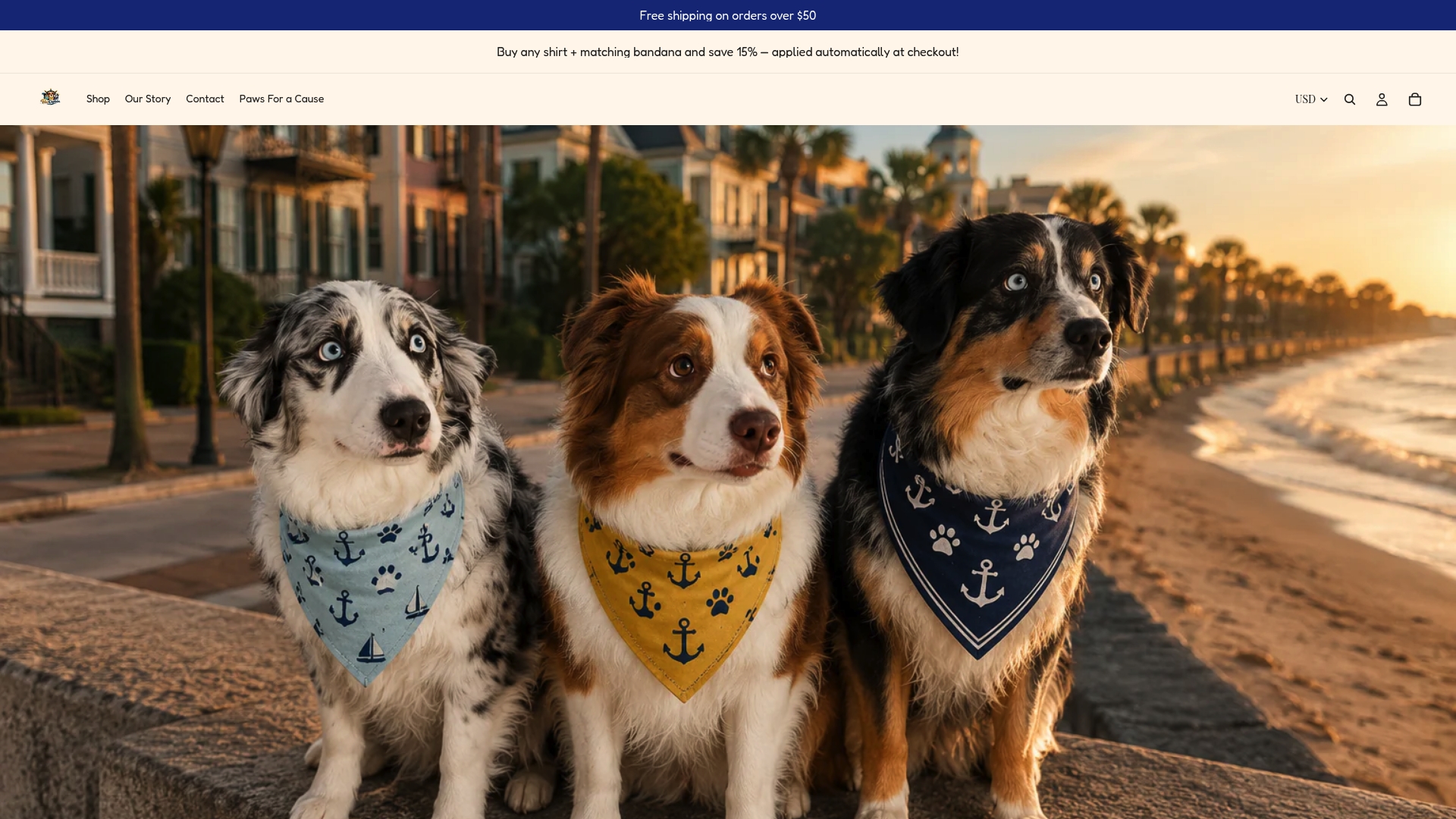
The Palmetto Pickle Club matching set pairs a dog bandana with a coordinating human accessory in one purchase, eliminating the guesswork of sourcing pieces separately. The Midnight Palmetto Jazz bandana and the nautical striped pet bandana are strong options for owners who want a polished, coordinated look without a custom order. All Pawcaptain products are made to order with eco-friendly practices, and the brand supports local animal shelters as it grows. Browse the full collection at Pawcaptain to find a set that fits your dog and your style.
FAQ
What is a pet owner matching bandana?
A pet owner matching bandana is a coordinated set where both the dog and the owner wear accessories made from the same fabric or print. Common human versions include neck gaiters, silk scarves, and hair scrunchies.
How do I choose the right size bandana for my dog?
Measure your dog’s neck circumference and add two inches for a comfortable fit. Most brands size bandanas as small, medium, and large based on neck measurements rather than breed.
Do matching bandana sets need to come from the same brand?
Buying both pieces from the same manufacturer guarantees color and fabric consistency. Sourcing from multiple vendors often results in color mismatches that break the coordinated look.
What fabric works best for dog bandanas?
Combed cotton is the standard choice. It breathes well, holds color through repeated washing, and sits softly against a dog’s neck. Avoid synthetic blends, which trap heat and can irritate skin.
Can bandana colors communicate information about my dog?
Yes. Standardized color codes use green for friendly dogs, yellow for dogs that need space, red for dogs that should not be approached without permission, and orange for dogs that should not be near other dogs.