

Coastal design for pets is defined as the practice of selecting materials, layouts, and accessories that address the specific physical and behavioral needs of dogs living in or visiting coastal environments. The role of coastal design in dog comfort goes far beyond aesthetics. Salt air, hot surfaces, sandy terrain, and humidity create real health risks for dogs, and the home environment either protects them or compounds those risks. Pet-centric floor plans grew from 8% to 34% of custom home designs by 2026, reflecting how seriously dog owners now treat this issue. That shift represents a fundamental change in how architects and pet owners think about shared living spaces.
How does coastal design affect dog comfort and safety?
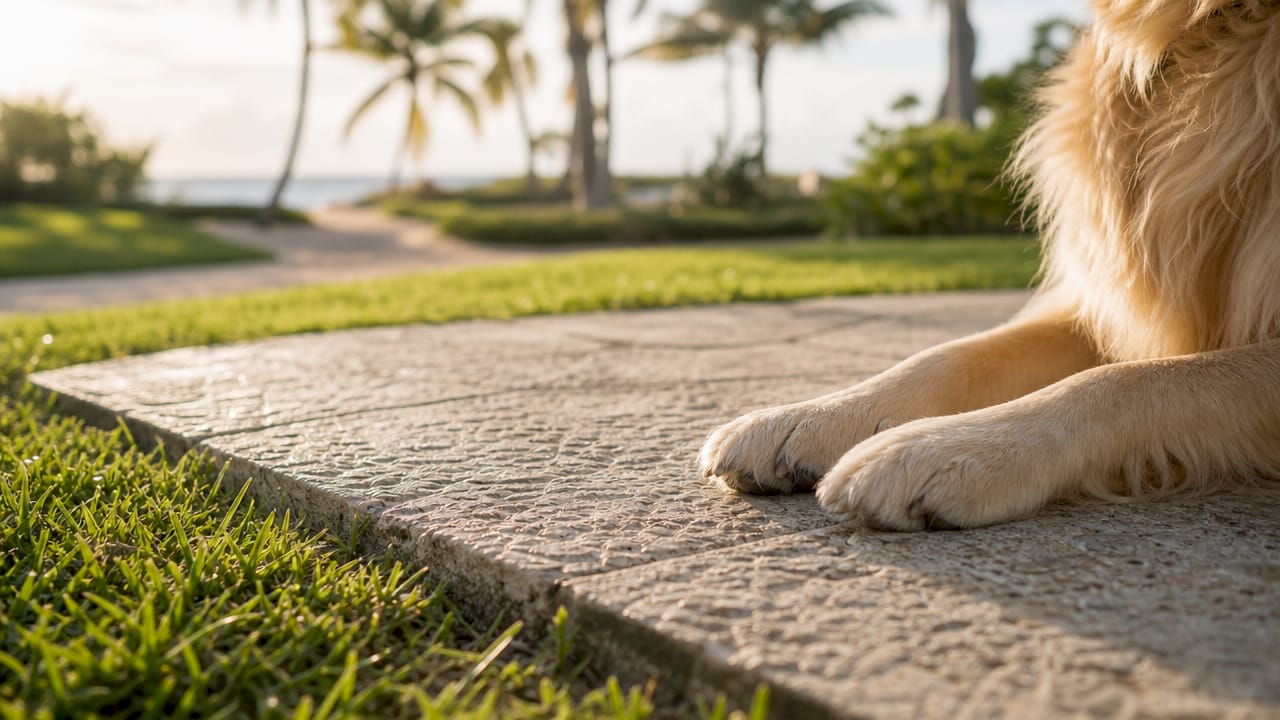
The impact of coastal design on dogs starts at ground level. Traditional concrete and granite surfaces can exceed 120°F midday in summer, causing paw burns on contact. That single fact explains why material selection is the most consequential decision in any pet-friendly coastal build or renovation.
Flooring and hardscape choices
The right surface keeps paws safe and body temperature stable. Permeable hardscape, pet-rated cushioned turf, and cool ground covers like dymondia and creeping thyme all keep surface temperatures below 110°F. Each of these options also drains quickly after rain or rinsing, which matters in coastal climates where moisture is constant.
- Permeable hardscape: Allows water drainage, reduces heat retention, and resists salt corrosion
- Pet-rated cushioned turf: Provides a soft, cool surface that withstands heavy paw traffic
- Dymondia and creeping thyme: Low-water, non-toxic ground covers that stay cool underfoot
- Non-slip epoxy flooring (interior): Prevents joint strain on wet or sandy entries
- Stain-resistant composite decking: Handles salt spray without warping or splintering
Pro Tip: Test any outdoor surface with the back of your hand for seven seconds. If it’s too hot for your hand, it’s too hot for your dog’s paws.
Plant selection and toxicity
Sustainable pet-friendly landscaping in coastal zones uses low-water, non-toxic plants that comply with HOA regulations while protecting dogs. Common coastal ornamentals like sago palm and oleander are highly toxic to dogs. Replacing them with non-toxic alternatives such as beach sunflower, muhly grass, or rosemary removes a hidden but serious risk from the yard.
| Surface type | Midday temperature | Pet safety rating |
|---|---|---|
| Traditional concrete | Above 120°F | High risk |
| Dark granite pavers | Above 120°F | High risk |
| Permeable hardscape | Below 110°F | Moderate risk |
| Pet-rated cushioned turf | Below 110°F | Low risk |
| Dymondia ground cover | Below 110°F | Low risk |
What layout features improve dog comfort in coastal homes?
Architectural pet corridors include non-slip epoxy flooring and scaled lighting that match animal eye level, reducing stress and improving mobility. These are not luxury extras. They are functional features that prevent injury and behavioral anxiety in dogs that move through the home frequently.
- Temperature-zoned pet areas: Integrated heating systems maintain paw-safe ambient temperatures around 68°F in pet zones, keeping dogs comfortable year-round without affecting the rest of the home.
- Window sill height adjustment: Lowering sill heights to 18–24 inches gives dogs a clear sightline to the outdoors. This reduces barking triggered by movement dogs can hear but not see.
- Dedicated entry wash stations: A rinse station at the coastal entry point lets you clean paws and coats before dogs track salt and sand through living areas.
- Pet corridors with non-slip surfaces: Dedicated movement paths with textured flooring prevent slipping on wet paws after beach outings.
- Shaded outdoor zones: Covered pergolas or shade sails over dog rest areas prevent overheating during peak sun hours.
Pro Tip: Place your dog’s primary rest area on the north-facing side of the home. That wall stays cooler throughout the day without any mechanical cooling.
The cost premium for pet-centric floor plans runs $12,000 to $19,000 above standard builds. That figure covers features like sealed subfloors, integrated wash stations, and zoned climate control. Dog owners who build these features in from the start avoid far more expensive retrofits later.
Luxury coastal home design increasingly treats pet-friendly architecture as a standard feature rather than an upgrade. Intracoastal properties now routinely include dog-specific entries, outdoor showers, and shaded kennel areas as part of the base design package.
How do you protect dogs from coastal environmental hazards?
Heatstroke claims for dogs have risen 45% since 2020 in coastal regions. That increase reflects both rising temperatures and more dogs spending time in coastal environments without adequate protection. Prevention requires shade, fresh water access, and cool surfaces working together.
Maintaining a dog’s routine and diet during beach outings significantly reduces stress and health issues. Disrupting feeding schedules or introducing unfamiliar foods at the beach compounds the physical stress of heat and salt exposure, making behavioral problems more likely.
Salt air and coat health
Salt air acts as a natural exfoliant but stiffens and mats dog fur without fresh-water rinses. A post-beach rinse is not optional grooming. It is the primary defense against coat damage and skin irritation in coastal dogs. Dogs with double coats or long fur need particular attention because salt crystals trap moisture against the skin.
- Rinse the full coat with fresh water after every coastal outing
- Pay extra attention to the belly, groin, and paw webbing where salt accumulates
- Use a moisturizing conditioner weekly to counteract the drying effect of salt air
- Dry ears thoroughly after swimming to prevent infections, a step most dog owners skip
Paw protection on coastal terrain
Coastal paw injuries are often hidden because salt water softens pads while sand abrades them simultaneously. The combination creates micro-tears that go unnoticed until they become infected. Daily paw inspection after coastal outings is the single most effective prevention step. Check between the toes, under the pads, and along the nail beds.
Pro Tip: Apply a thin layer of pet-safe paw balm before beach walks. It creates a barrier against sand abrasion and reduces salt absorption into softened pads.
Experts recommend letting dogs set their own pace when approaching coastal water. Forcing a dog into waves creates stress responses that persist long after the outing ends. A dog that chooses to enter water gradually builds confidence and associates the beach with positive experiences.
What sustainable products support coastal living dog ideas?
Sustainable pet accessories serve two functions in a coastal home. They reduce environmental waste, and they use materials that hold up against salt air, UV exposure, and frequent washing. Both qualities matter when you live near the water.
The best coastal pet accessories share these characteristics:
- Made-to-order production: Eliminates excess inventory and reduces material waste
- UV-resistant fabrics: Prevent fading and fabric breakdown from sun exposure
- Quick-dry materials: Reduce mildew risk in humid coastal climates
- Non-toxic dyes: Safe for dogs that chew or mouth their accessories
- Adjustable fit: Accommodates seasonal coat changes and weight fluctuations
Modern coastal pet spas are evolving from novelty features into integrated home utilities that maintain calm aesthetics while providing therapeutic animal wellness. This shift reflects a broader design philosophy: pet comfort and home style are not competing priorities. They reinforce each other when products are designed with both in mind.
Pawcaptain builds this philosophy into every product. The brand produces matching sets for dogs and their owners using eco-conscious materials, made to order to minimize waste. Coastal motifs like nautical stripes and plaid patterns translate the beach house aesthetic directly into pet accessories without sacrificing function. A coastal-inspired dog bed that matches your home’s color palette does more than look good. It gives your dog a defined, comfortable rest space that signals belonging in the home environment.
Pro Tip: Choose accessories in natural fiber blends or recycled materials. They breathe better in coastal humidity and hold up longer against salt air than synthetic alternatives.
You can also extend the coastal aesthetic to your dog’s feeding area. A stylish coastal feeding station keeps food and water off the floor, reduces mess, and integrates cleanly with coastal kitchen decor.
Key Takeaways
Coastal design improves dog comfort most when material choices, spatial layout, and environmental care work together from the initial planning stage.
| Point | Details |
|---|---|
| Surface temperature matters | Replace concrete and granite with permeable hardscape or pet-rated turf to keep paw contact surfaces below 110°F. |
| Layout features reduce stress | Pet corridors, lowered window sills, and temperature-zoned areas directly improve dog behavior and physical comfort. |
| Salt and heat are active hazards | Rinse coats after every outing, inspect paws daily, and provide shade and fresh water to prevent heatstroke and coat damage. |
| Sustainable products perform better | Made-to-order, quick-dry, UV-resistant accessories last longer in coastal conditions and reduce environmental waste. |
| Plan pet features at the build stage | Adding pet-centric architecture during construction costs $12,000–$19,000 more but prevents expensive retrofits later. |
What I’ve learned from watching coastal design get this wrong
Most coastal home renovations treat pet comfort as an afterthought. The dog bed gets picked after the furniture. The yard gets landscaped without checking plant toxicity. The entry gets tiled in polished stone that becomes a slip hazard the first time a wet dog runs through it.
The design decisions that actually protect dogs are made before the first material order. Concrete subfloors, sealed grout lines, and non-slip surface treatments are irreversible once installed. I’ve seen dog owners spend thousands correcting flooring choices that could have been right the first time for a fraction of the cost.
The ear-drying step surprises people every time I mention it. It is the most consistently overlooked coastal care habit, and it causes more vet visits than paw injuries or coat damage combined. The design side of this is simple: build a dedicated drying station near the coastal entry with hooks for towels and a non-slip mat. That one feature changes the post-beach routine completely.
Balancing aesthetics and pet safety is not a compromise. The best coastal pet products I’ve seen look exactly like the home they live in. Pawcaptain’s matching sets are a good example. The coastal motifs work with the home’s design language, and the made-to-order approach means nothing sits in a warehouse collecting dust. That is what thoughtful design looks like in practice.
— Michael
Pawcaptain’s coastal pet accessories for comfort and style
Pawcaptain designs coastal-inspired pet accessories that treat function and style as equal requirements, not competing ones.

Every piece is made to order using eco-conscious materials, which means less waste and longer-lasting products built for coastal conditions. The Coastal Bow Club Matching Set brings the beach house aesthetic directly to your dog’s everyday look, with patterns that complement coastal home decor. The Nautical Striped Paw Captain Bandana pairs quick-dry fabric with a classic coastal motif, practical for post-beach outings. Pawcaptain also supports local animal shelters as the brand grows, so every purchase contributes to a broader community of dog owners who treat their pets as family.
FAQ
What is the role of coastal design in dog comfort?
Coastal design for pets addresses specific hazards like hot surfaces, salt air, and sandy terrain through material selection, spatial layout, and dedicated pet zones. When done correctly, it reduces heatstroke risk, paw injuries, and behavioral stress in dogs.
What surfaces are safest for dogs in coastal homes?
Permeable hardscape, pet-rated cushioned turf, and ground covers like dymondia keep surface temperatures below 110°F. Traditional concrete and granite exceed 120°F midday and cause paw burns.
How does salt air affect dogs?
Salt air stiffens and mats dog fur without fresh-water rinses, and it softens paw pads while sand simultaneously abrades them. A full-coat rinse and daily paw inspection after every coastal outing prevent the most common damage.
How do I prep my dog for beach outings safely?
Maintain your dog’s normal feeding schedule, provide shade and fresh water, and let the dog approach the water at its own pace. A beach day checklist covers the key preparation steps in detail.
Are pet-centric floor plans worth the extra cost?
Pet-centric floor plans cost $12,000–$19,000 more than standard builds but include features like sealed subfloors, wash stations, and temperature-zoned pet areas that prevent expensive retrofits and reduce ongoing vet costs.