

Seasonal dog comfort style tips are the practical guidelines dog owners use to select weather-appropriate apparel and accessories that protect their pets’ health while keeping them looking great. Comfort-first dog apparel, the recognized industry term for this approach, puts physical wellbeing ahead of aesthetics at every step. The right gear does more than turn heads on a walk. It regulates body temperature, protects paws from extreme surfaces, and signals to your dog that outdoor time is safe and enjoyable. Pawcaptain builds its entire product line around this principle, combining coastal-inspired style with purposeful, functional design.
What are the best seasonal dog comfort style tips for choosing apparel?
Fabric choice is the single most important decision in seasonal dog apparel explained simply. The wrong material in the wrong season causes overheating, chilling, or skin irritation before you even notice a problem.
For warm seasons, choose mesh panels, cotton, and moisture-wicking fabrics with UPF 50 protection. These materials pull heat away from the skin and block UV rays that can burn short-haired dogs. For cold and wet seasons, insulated and waterproof shells trap body heat without adding bulk that restricts movement.
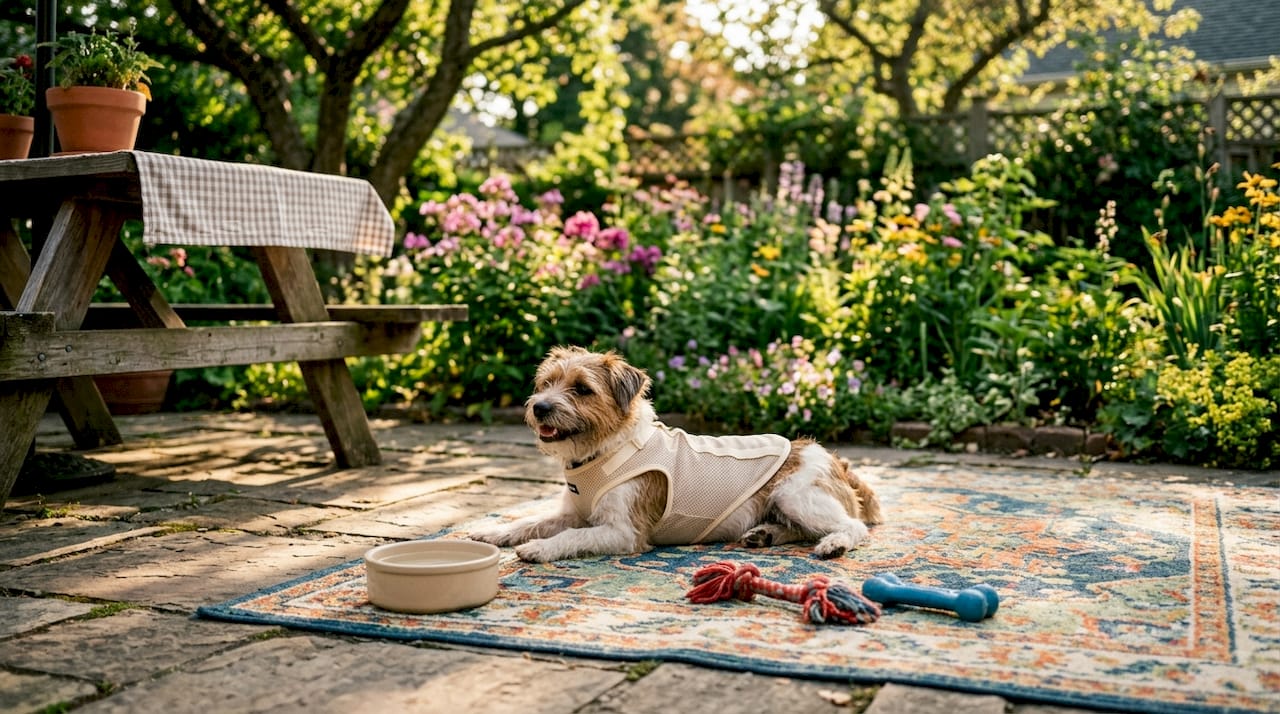
Fit matters just as much as fabric. The Two-Finger Rule is the standard sizing check: slide two fingers under any garment at the neck, chest, and belly. If they slide in easily, the fit is correct. If you cannot fit two fingers, the item is too tight and will chafe. If your whole hand slides through, the garment will bunch and restrict movement.
Key features to look for when selecting any seasonal item:
- Reflective strips or neon colors for winter walks during low-light hours. Reflective elements are a safety standard, not a style bonus.
- Breathable mesh panels positioned over the chest and belly for summer vests and shirts.
- Waterproof outer shells with fleece lining for rain and cold weather coats.
- Adjustable closures at the neck and belly so you can fine-tune fit as your dog moves.
- Paw boots with non-slip soles for icy sidewalks or hot pavement.
Accessories like bandanas, hats, and boots round out a seasonal wardrobe without adding heat stress. A matching bandana set adds personality to any season and works as a low-pressure starting point for dogs new to wearing anything at all.
Pro Tip: Always check the garment’s underside after a walk. Moisture trapped against the skin, especially in wool or thick cotton, drops body temperature fast. Swap wet items immediately.
What are the key seasonal dog outfit ideas by season?
Each season calls for a different approach. The goal stays the same: keep your dog comfortable, protected, and free to move.
-
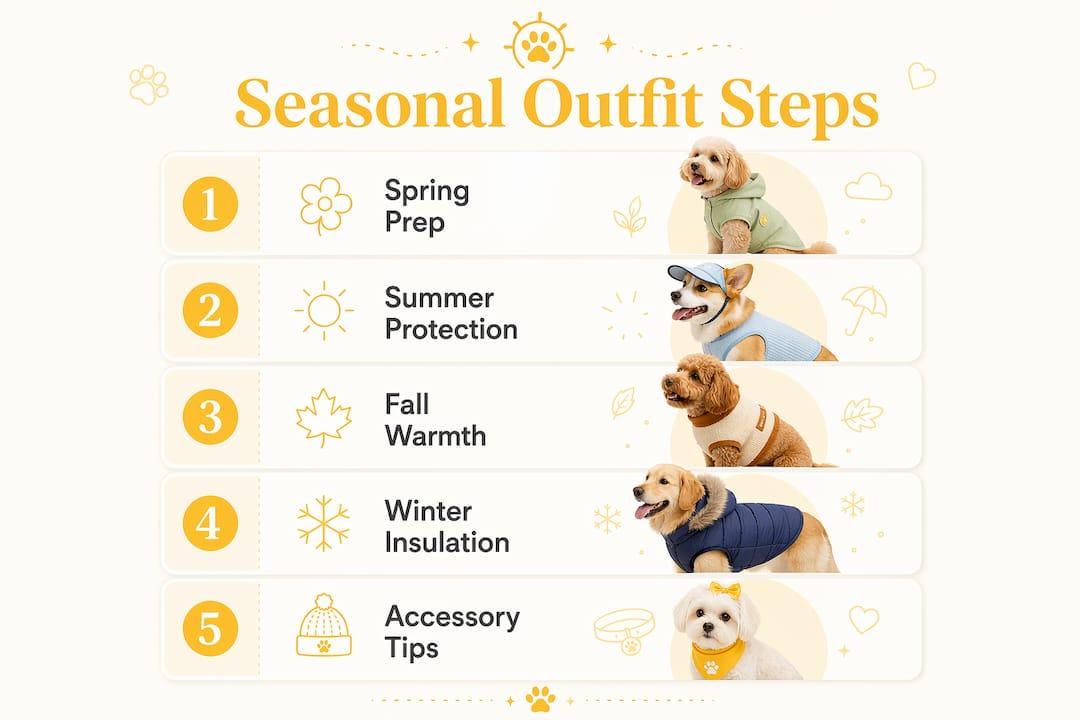
Spring. Temperatures swing widely in spring, so layering is the right strategy. A lightweight windbreaker or water-resistant shell handles morning chill and unexpected showers. Thin cotton sweaters work for cool evenings. Paw protection becomes relevant again as sidewalks dry out and allergens settle on surfaces.
-
Summer. Heat is the primary risk. A breathable mesh vest or a UPF-rated shirt protects short-haired dogs from sunburn without trapping heat. Paw boots or wax-based paw balm protect against hot pavement, which can burn paw pads at surface temperatures well above air temperature. Keep outfits minimal and prioritize shade and water access over layering.
-
Autumn. Autumn mirrors spring in terms of layering needs. Light sweaters and fleece-lined jackets handle the temperature drop. This is also the season to reintroduce boots if your dog wears them, so they are acclimated before winter arrives.
-
Winter. Cold weather demands the most from a dog’s wardrobe. Small breeds and short-haired dogs need insulated coats below 32°F and warmth-providing layers below 45°F. Waterproof boots protect paws from ice, salt, and chemical de-icers. Reflective outerwear keeps dogs visible during early sunsets.
The table below summarizes the core gear for each season at a glance.
| Season | Primary risk | Core gear |
|---|---|---|
| Spring | Temperature swings, allergens | Windbreaker, light sweater, paw balm |
| Summer | Overheating, UV exposure, hot pavement | Mesh vest, UPF shirt, paw boots or balm |
| Autumn | Cooling temps, wet ground | Fleece jacket, water-resistant shell, boots |
| Winter | Cold, ice, low visibility | Insulated coat, waterproof boots, reflective gear |
How do you introduce your dog to seasonal clothing and accessories?
Dogs do not naturally accept wearing clothing. Forcing a garment onto an unprepared dog creates anxiety that makes every future dressing session harder. Desensitization training is the proven method: gradual exposure paired with positive reinforcement.
Follow these steps in order:
- Place the item near your dog. Let them sniff and investigate the garment without any pressure to wear it. Reward calm curiosity with a treat.
- Drape it loosely over their back. Do not fasten anything yet. Reward immediately and remove the item after a few seconds.
- Fasten one closure. Keep the session under two minutes. Reward throughout and end on a positive note.
- Increase wear time gradually. Add one to two minutes per session over several days. Watch for stress signals: lip licking, yawning, freezing, or trying to shake the item off.
- Move to a short indoor walk. Once your dog walks normally indoors with the item on, try a brief outdoor outing.
- Remove wet clothing immediately. Wet fabric pulls heat away from the skin rapidly. A soaked coat or sweater does more harm than no clothing at all.
Start with low-stakes accessories. A bandana around the neck is a natural first step because it is lightweight, non-restrictive, and easy to remove. Check out Pawcaptain’s dog accessories styling guide for a practical checklist on fit and comfort before you move to heavier garments.
Pro Tip: Remove all layers during active play or vigorous exercise. Dogs dissipate heat only through panting and their paw pads. A coat that felt appropriate on a slow walk becomes a heat trap during a game of fetch.
What signs show your dog needs seasonal apparel?
Purpose-driven apparel use is the standard recommended by veterinary and canine behavior experts. Clothing should respond to a real need, not a style preference alone.
Watch for these behavioral and physical cues:
- Shivering or trembling during or after outdoor time, even on short walks.
- Curling tightly into a ball when lying down outside, which signals the dog is trying to conserve body heat.
- Lifting paws off the ground repeatedly, indicating the surface is too hot or too cold.
- Reluctance to go outdoors or cutting walks short by pulling toward home.
- Slowing down or stiffening in cold weather, which is especially common in senior dogs and those with arthritis.
Senior dogs and those with arthritis benefit most from warm clothing in cold weather because reduced circulation makes them more sensitive to temperature drops. Short-haired breeds like Greyhounds, Chihuahuas, and Whippets lose body heat faster than double-coated breeds and need apparel at higher temperatures.
“A stressed dog benefits less from clothing than a comfortable one. Owners should prioritize their dog’s comfort over fashion at every step.” — Canine behavior and apparel experts
Hot pavement is a summer risk that owners often underestimate. If you cannot hold the back of your hand on the pavement for five seconds, it is too hot for bare paw pads. Short-haired dogs also face sunburn risk on exposed skin, particularly on the nose, ears, and belly. Lightweight, UPF-rated summer apparel addresses both risks at once.
Key Takeaways
Comfort-first dog apparel works best when fabric, fit, and seasonal need align with your dog’s specific breed, age, and activity level.
| Point | Details |
|---|---|
| Fabric drives function | Choose moisture-wicking mesh for summer and insulated, waterproof shells for winter. |
| The Two-Finger Rule prevents chafing | Slide two fingers under any garment at the neck and belly to confirm a safe, comfortable fit. |
| Temperature thresholds guide use | Small and short-haired dogs need warmth layers below 45°F and insulated coats below 32°F. |
| Desensitization reduces stress | Introduce clothing gradually with treats and short sessions before increasing wear time. |
| Remove wet clothing immediately | Wet fabric pulls heat away from skin fast and causes chilling, even in mild weather. |
Why comfort always wins over style in my experience
The most common mistake I see dog owners make is buying a garment because it looks great, then wondering why their dog freezes, shakes, or refuses to move. Style and function are not opposites, but function has to come first. A coat that fits poorly or uses the wrong fabric for the season is worse than no coat at all.
Working with senior dogs and short-haired breeds over the years has made one thing clear: the dogs who accept clothing most readily are the ones whose owners took the time to desensitize them properly. Rushing that process creates a dog who associates getting dressed with stress, and that association is hard to undo.
I have also noticed that safety features tend to get skipped in favor of aesthetics. Reflective strips on a winter coat are not optional for dogs walked at dusk or dawn. That single feature has more real-world impact than any color or pattern choice.
The best seasonal wardrobe for a dog is a small one. Two or three well-chosen, properly fitted pieces that address real seasonal needs outperform a closet full of cute outfits that the dog tolerates at best. Buy less, choose better, and watch your dog’s body language every single time you put something on them. That feedback is the most accurate sizing guide you will ever have.
— Michael
Pawcaptain’s seasonal collection for comfort and style
Pawcaptain designs every piece with comfort and purpose at the center, using eco-friendly, made-to-order practices that cut waste without cutting quality.
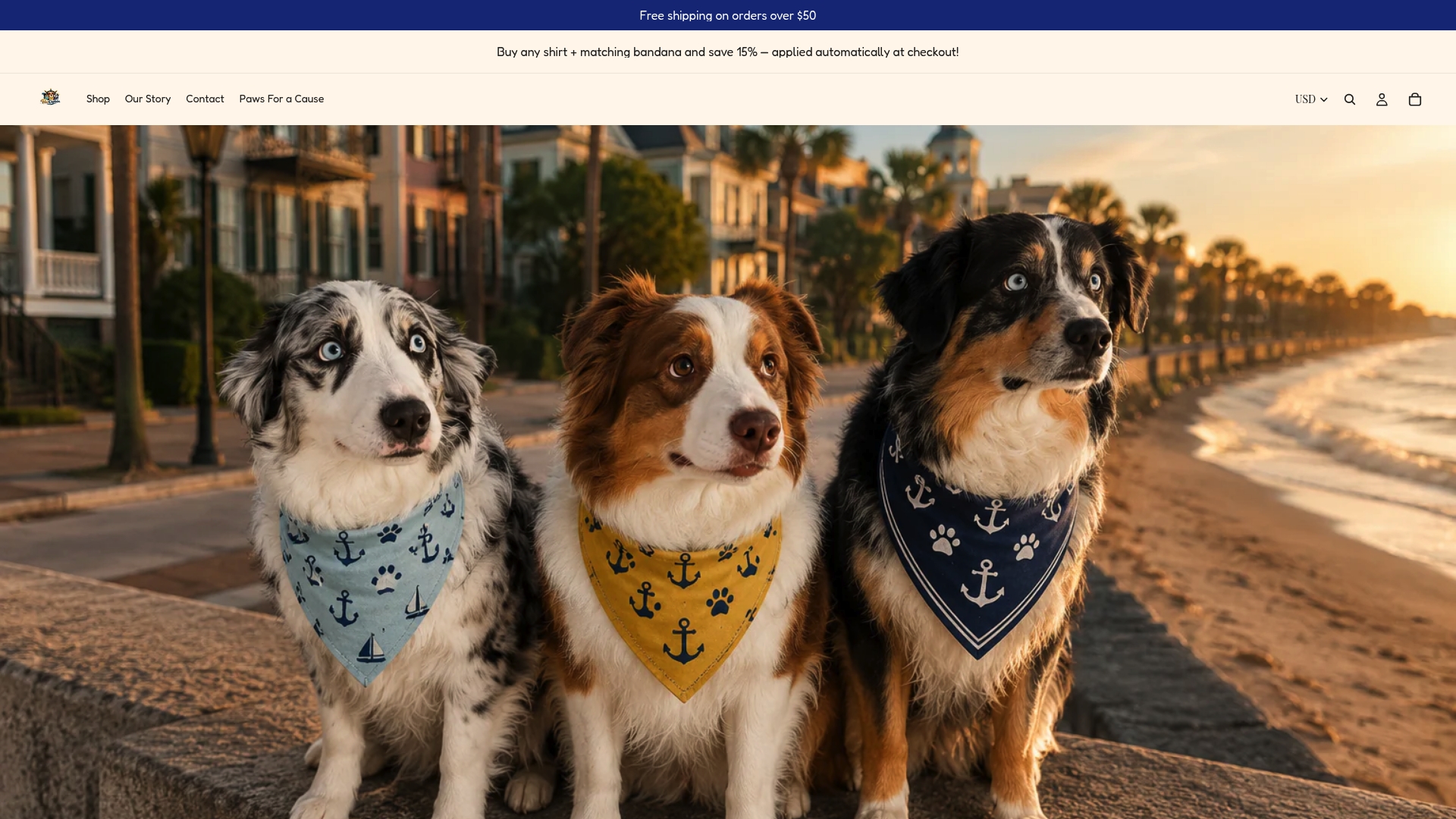
The Coastal Bow Club Matching Set is a standout for any season. It pairs a coastal-inspired bandana with a matching tee for both you and your dog, making it a natural starting point for owners introducing accessories gradually. For dogs who need a cozy resting place between outdoor adventures, Pawcaptain’s coastal dog beds provide warmth and comfort year-round. Every purchase also supports Pawcaptain’s commitment to local animal shelters, so your dog’s style does real good beyond your front door.
FAQ
What temperature is too cold for a dog without a coat?
Small breeds and short-haired dogs need warmth-providing apparel below 45°F and insulated coats below 32°F. Double-coated breeds tolerate colder temperatures but still benefit from reflective outerwear for visibility.
How do I know if my dog’s coat fits correctly?
Use the Two-Finger Rule: slide two fingers under the garment at the neck, chest, and belly. A correct fit allows two fingers to pass through without forcing, and the garment should not bunch or restrict your dog’s stride.
Can dogs wear clothing in summer without overheating?
Yes, if the garment uses breathable mesh or UPF-rated fabric and fits loosely. Remove all clothing during vigorous activity because dogs only release heat through panting and their paw pads, not through their skin.
What is the easiest accessory to start with for a new dog?
A lightweight bandana is the lowest-stress starting point. It is non-restrictive, easy to remove, and helps your dog get used to wearing something before you introduce heavier seasonal items like coats or boots.
How often should I check my dog’s seasonal gear for fit?
Check fit at the start of each season and after any significant weight change. Puppies and senior dogs may need more frequent checks as their body condition shifts throughout the year.