

Durable dog apparel is defined as garments built with reinforced stitching, resilient fabrics, and secure closures that maintain their structure, fit, and function through repeated washing and active use. Understanding why durable dog apparel matters goes beyond aesthetics. Well-constructed clothing protects dogs from weather, allergens, and physical hazards while preserving the breathability and fit that keep them safe and comfortable. The American Kennel Club stresses that clothing must fit properly and be supervised to avoid snag and choking hazards. Cheap garments that fray, stretch, or lose shape quickly become liabilities rather than protection.
Why durable dog apparel matters for fit and mobility
Fit is the single most important safety factor in dog clothing. The AKC warns that clothing too tight or too loose can restrict movement, cause discomfort, or create tripping hazards. That risk grows over time when garments lose their structure through wear and washing.
Durable construction directly preserves fit. Reinforced stitching at stress points, closures that stay fastened during activity, and fabrics that resist stretching all work together to keep a garment performing as intended. A jacket that fits perfectly on day one but sags after five washes offers no real protection.
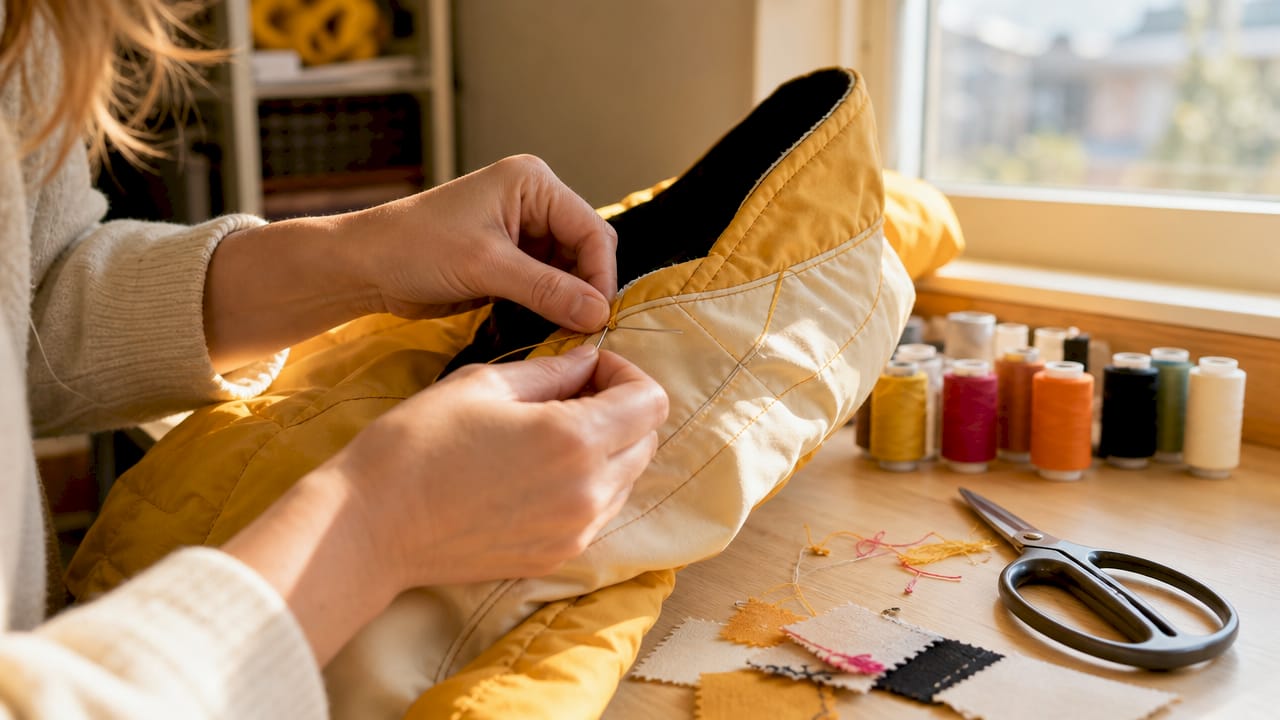
Range of motion is a subtle but serious concern. Stiffening and fraying in shoulder panels or leg openings can restrict a dog’s natural movement over time, raising the risk of orthopedic problems. This is especially true for active breeds that run, jump, and climb regularly.
Key durability features to check before buying:
- Stitching: Double or triple stitching at seams and stress points resists unraveling during activity
- Closures: Velcro, snaps, or buckles that stay secure through movement and washing
- Fabric: Abrasion-resistant materials that hold their shape after repeated use
- Leg and shoulder openings: Flexible construction that does not stiffen or constrict over time
- Lining: Smooth interior surfaces that prevent chafing as the garment ages
Pro Tip: Check seams and closures after every third wash. Early fraying or loosening closures signal that a garment is losing structural integrity before visible wear appears on the outer fabric.
How does fabric quality affect your dog’s health?
Fabric performance degrades with use. A garment that breathes well when new can trap heat and moisture after repeated washing if the material breaks down. Durable apparel maintains breathability and proper fit over time, which directly reduces health risks like overheating and skin irritation.
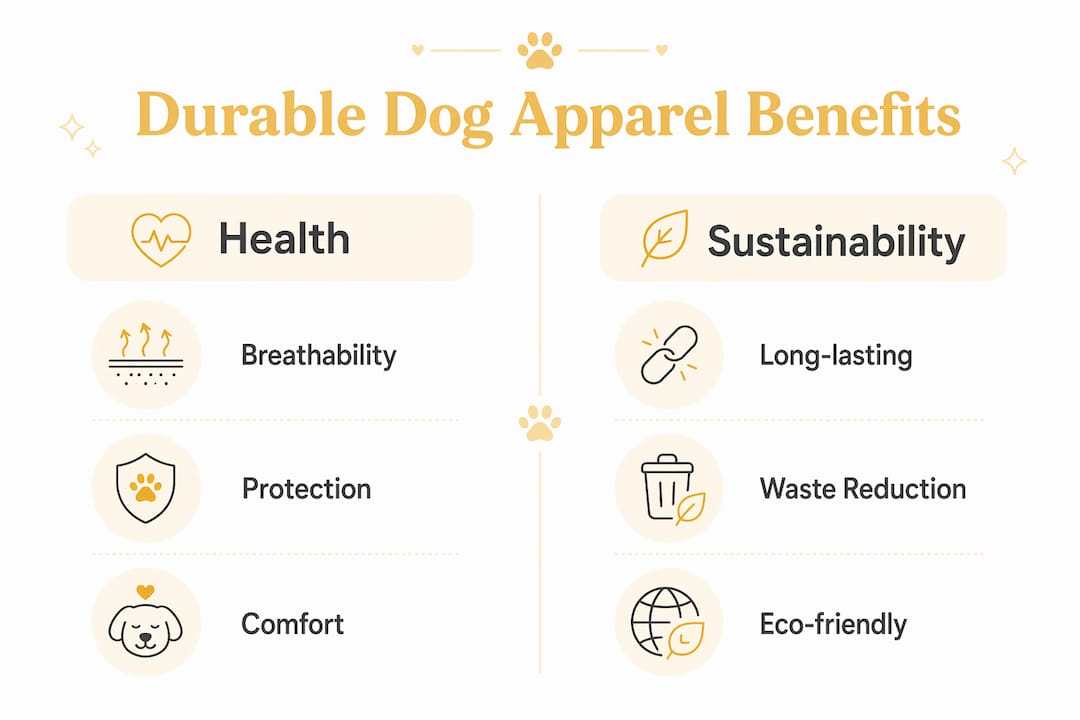
Overheating is a genuine medical risk, not just discomfort. Flat-faced breeds, puppies, seniors, and dogs with breathing issues face higher risk of heat-related illness when apparel fails to breathe properly. For these dogs, a garment that loses its airflow properties is not just uncomfortable. It is dangerous.
Skin irritation follows a similar pattern. Fabrics that pill, stiffen, or develop rough patches after washing create friction against a dog’s skin. That friction causes chafing, hot spots, and in some cases, hair loss at contact points.
Veterinary experts advise regular monitoring of apparel condition as part of heat illness risk management, especially for dogs prone to breathing difficulties or those in warm climates. Owners should assess airflow and friction performance of garments periodically since fabric degradation raises both heat and chafe risk.
Signs that a garment has lost its functional quality:
- Fabric feels stiff or rough compared to when it was new
- Moisture no longer wicks away from the skin surface
- The dog scratches or bites at the garment more than usual
- Visible pilling or thinning at high-contact areas like the chest and belly
What protective benefits does durable dog clothing provide?
Durable dog clothing shields dogs from a range of physical hazards that bare skin and fur cannot fully address. Jackets, raincoats, and boots protect against cold, rain, allergens, and rough terrain, reducing both grooming effort and injury risk. The key word is “durable.” A raincoat with a failing seam lets water through. A boot with a worn sole offers no paw protection on hot pavement or sharp gravel.
Hairless or short-coated breeds rely on clothing for thermal regulation that their coat cannot provide. For these dogs, a garment that maintains its insulating properties through the season is not optional. It is a health requirement. The same applies to dogs recovering from surgery or managing skin conditions where coverage is part of the treatment plan.
How to evaluate protective durability before and after purchase:
- Check waterproofing integrity. Pour a small amount of water on the fabric. Durable waterproof coatings bead water off the surface. If water soaks in, the coating has failed.
- Test closure strength. Pull gently on all fasteners while the garment is on the dog. Closures should hold firm without digging into the skin.
- Inspect boot soles. Look for even wear and intact bonding between the sole and upper. Separation at the toe or heel means the boot no longer protects against sharp surfaces.
- Assess coverage after washing. Lay the garment flat and check that seams have not pulled apart and that the shape has not distorted in ways that would leave the dog’s belly or chest exposed.
- Monitor your dog’s reaction. A dog that suddenly resists wearing a previously accepted garment is often responding to a fit or comfort change caused by material degradation.
Pro Tip: Store dog apparel flat or loosely rolled rather than compressed in a drawer. Compression accelerates fabric fatigue, especially in insulated or structured garments, shortening their useful life significantly.
Does durable dog apparel support environmental sustainability?
Durable clothing reduces how often you replace it. That reduction has a direct environmental benefit. Long-lasting apparel supports sustainability by cutting textile waste, consistent with circular consumption principles that prioritize extending a product’s useful life over frequent replacement.
The pet apparel market generates significant textile waste when low-quality garments are discarded after a season or two. Choosing durable construction from the start breaks that cycle. It also reduces the energy and materials consumed in manufacturing replacement items.
Pawcaptain builds on this principle directly. All products are made to order, which eliminates overproduction waste. The brand’s sustainable pet product approach pairs durable construction with eco-friendly practices, so each garment is designed to last rather than be replaced. Choosing durable, well-made apparel is also one of the most practical ways to align with sustainable pet care more broadly.
| Durability factor | Environmental benefit |
|---|---|
| Reinforced stitching | Extends garment life, reducing replacement frequency |
| Abrasion-resistant fabric | Resists wear that leads to early disposal |
| Made-to-order production | Eliminates unsold inventory and overproduction waste |
| Washable, colorfast materials | Reduces need for dry cleaning or chemical treatments |
| Repairable construction | Allows minor fixes instead of full replacement |
Key Takeaways
Durable dog apparel protects health, preserves fit, and reduces waste by maintaining its structure, breathability, and coverage through repeated use and washing.
| Point | Details |
|---|---|
| Fit determines safety | Garments that lose shape become tripping or choking hazards; check closures and seams after every few washes. |
| Fabric quality affects health | Degraded fabrics trap heat and cause chafing; breathability must be maintained, especially for at-risk breeds. |
| Protection requires durability | Waterproofing, insulation, and coverage only work when the garment’s construction stays intact. |
| Sustainability starts with longevity | Choosing durable apparel reduces textile waste and supports circular consumption principles. |
| Regular inspection is non-negotiable | Monitoring garment condition is part of responsible pet care, not an optional extra step. |
What most dog owners miss about durability
Most dog owners evaluate clothing at the point of purchase. They check the fit, feel the fabric, and move on. What they rarely do is re-evaluate that same garment three months later, after a dozen washes and a season of outdoor use.
The failure modes I see most often are not dramatic. A jacket does not fall apart. Instead, the Velcro loses grip, the shoulder panel stiffens slightly, and the waterproof coating thins out in patches. None of these changes are obvious until the dog starts resisting the garment or you notice them scratching at the chest area after a walk.
The dog accessories styling checklist approach I find most useful is a simple monthly check: run your hand along every seam, test every closure, and hold the fabric up to light to spot thinning. It takes two minutes and catches problems before they become health risks.
One more thing most owners overlook: garment storage. Compressing insulated jackets in a tight drawer crushes the fill and accelerates fabric fatigue. Hanging or loosely rolling apparel between uses extends its life considerably. The best garment in the world degrades faster than it should when stored carelessly.
— Michael
Pawcaptain’s durable coastal dog apparel
Pawcaptain designs every piece with durability and function at the core, not as an afterthought. The brand’s made-to-order model means each item is built when you order it, using materials selected for long-term performance rather than short-term visual appeal.
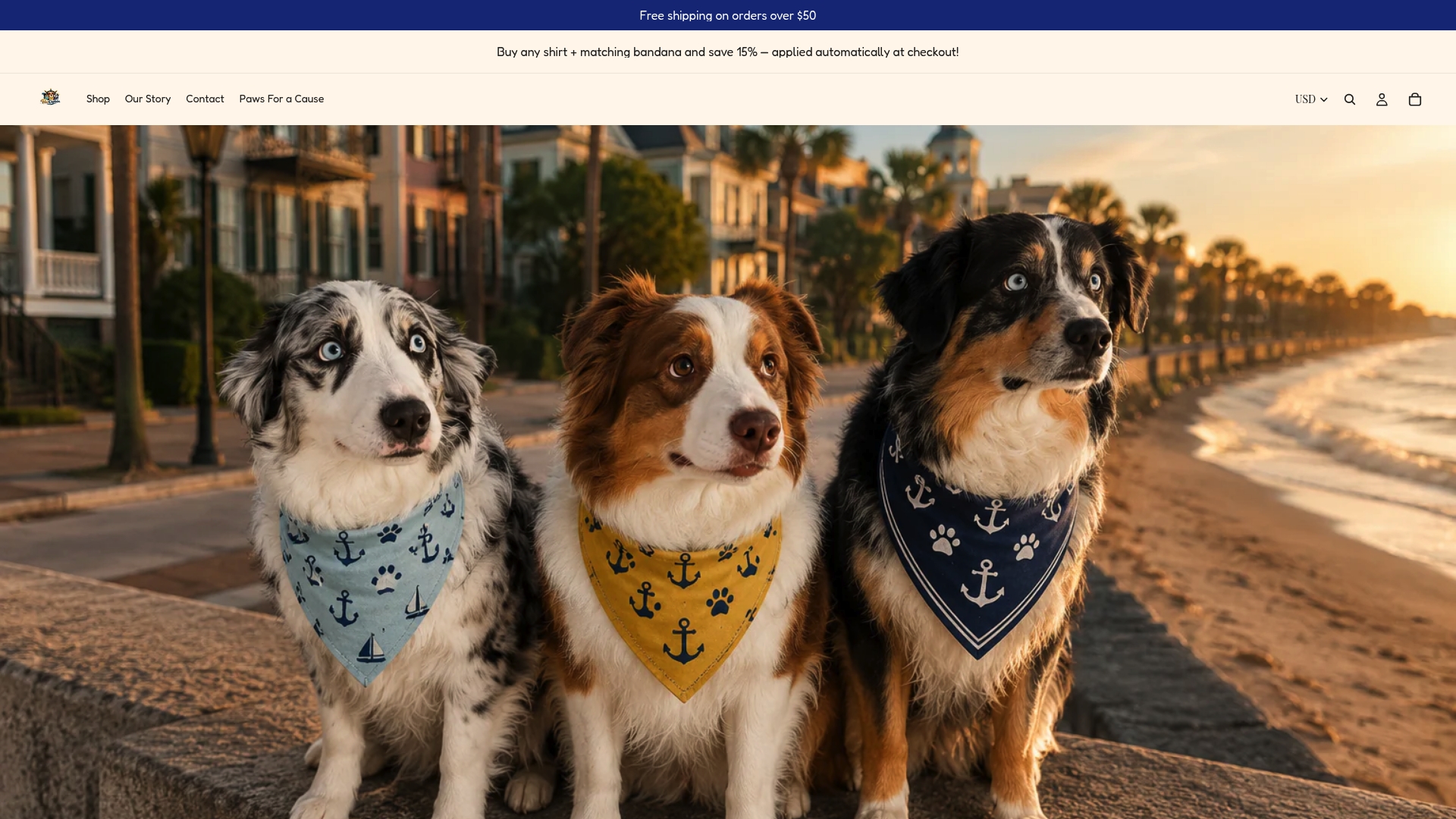
The Coastal Bow Club Matching Set is a strong example: coastal-inspired design paired with construction that holds up through regular washing and active wear. Pawcaptain also supports local animal shelters as the brand grows, so every purchase connects to a broader commitment to dog welfare. For dog owners who want apparel that lasts and means something, Pawcaptain’s full collection is worth exploring.
FAQ
What makes dog apparel truly durable?
Durable dog apparel features secure stitching at stress points, closures that hold through activity, and fabrics that retain breathability and shape after repeated washing. These three elements together determine how long a garment stays safe and functional.
How often should I check my dog’s clothing for wear?
Inspect seams, closures, and fabric texture after every three to five washes. Veterinary guidance recommends monitoring apparel condition regularly as part of heat illness risk management, particularly for flat-faced breeds, puppies, and senior dogs.
Can poor-quality dog clothing cause health problems?
Yes. Garments that lose breathability trap heat and moisture against the skin, raising the risk of overheating and chafing. Flat-faced breeds and seniors are especially vulnerable when apparel fails to maintain proper airflow.
Does durable dog apparel reduce environmental waste?
Longer-lasting clothing directly cuts textile waste. Research on textile circularity confirms that extending a garment’s useful life is one of the most effective ways to reduce the environmental footprint of clothing consumption.
What dog breeds benefit most from durable apparel?
Hairless breeds, short-coated dogs, puppies, and seniors benefit most because they rely on clothing for thermal regulation their coats cannot provide. The AKC notes that proper fit and durable construction are especially critical for these dogs to avoid both comfort and safety issues.