

Sustainable pet bed materials are defined as natural, recycled, or bio-based fibers and fillings that reduce environmental harm while keeping pets safe and comfortable. The leading options in 2026 include organic cotton, hemp, recycled PET (rPET), natural latex, and bio-based fabrics like Sorona®. Each material carries a measurable ecological footprint, and certifications like GOTS (Global Organic Textile Standard) and GRS (Global Recycled Standard) are the only reliable tools for verifying those claims. Choosing the right material means understanding what each one is made from, how it performs, and what standards back it up.
What are the top sustainable materials used in pet beds?
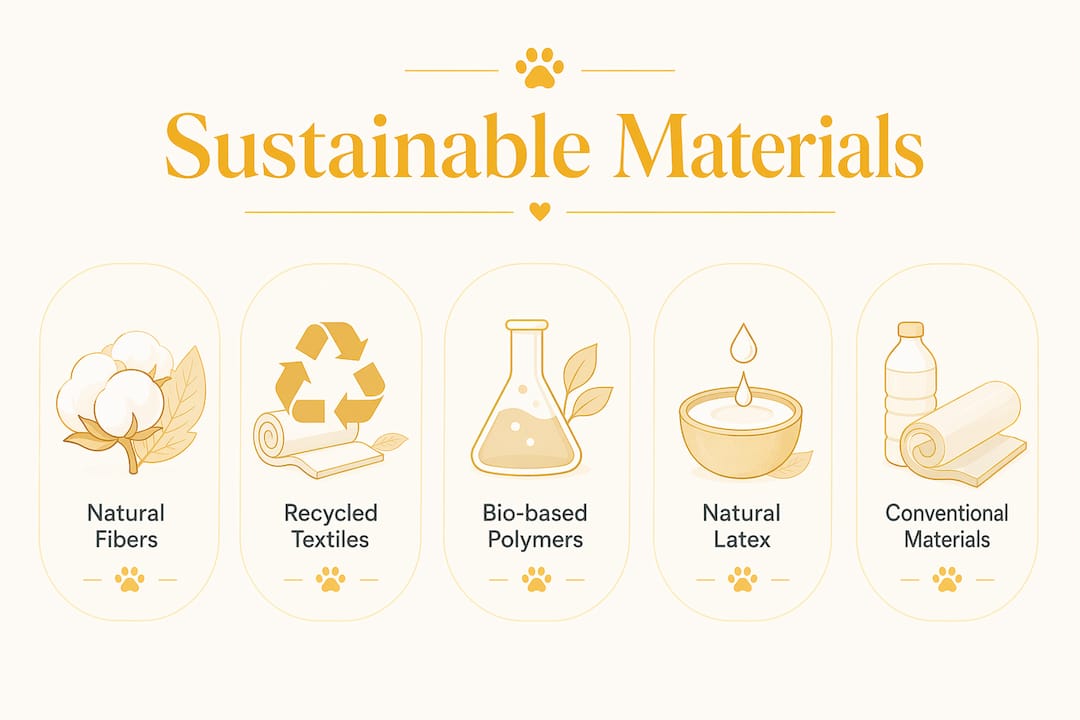
The leading sustainable pet bed materials in 2026 fall into three categories: natural fibers, recycled textiles, and bio-based polymers. Each category offers a different balance of environmental benefit, durability, and cost.
Natural fibers
Organic cotton is grown without synthetic pesticides, making it safer for ecosystems and gentler on pet skin. GOTS-certified organic cotton guarantees chemical-free processing from field to finished fabric, which matters because conventional cotton processing often introduces residual chemicals into the final product.
Hemp is one of the strongest natural fibers available for pet bedding. It requires very little water, grows without pesticides, resists mold, and softens with each wash. That combination makes it especially practical for dog beds that see heavy daily use.
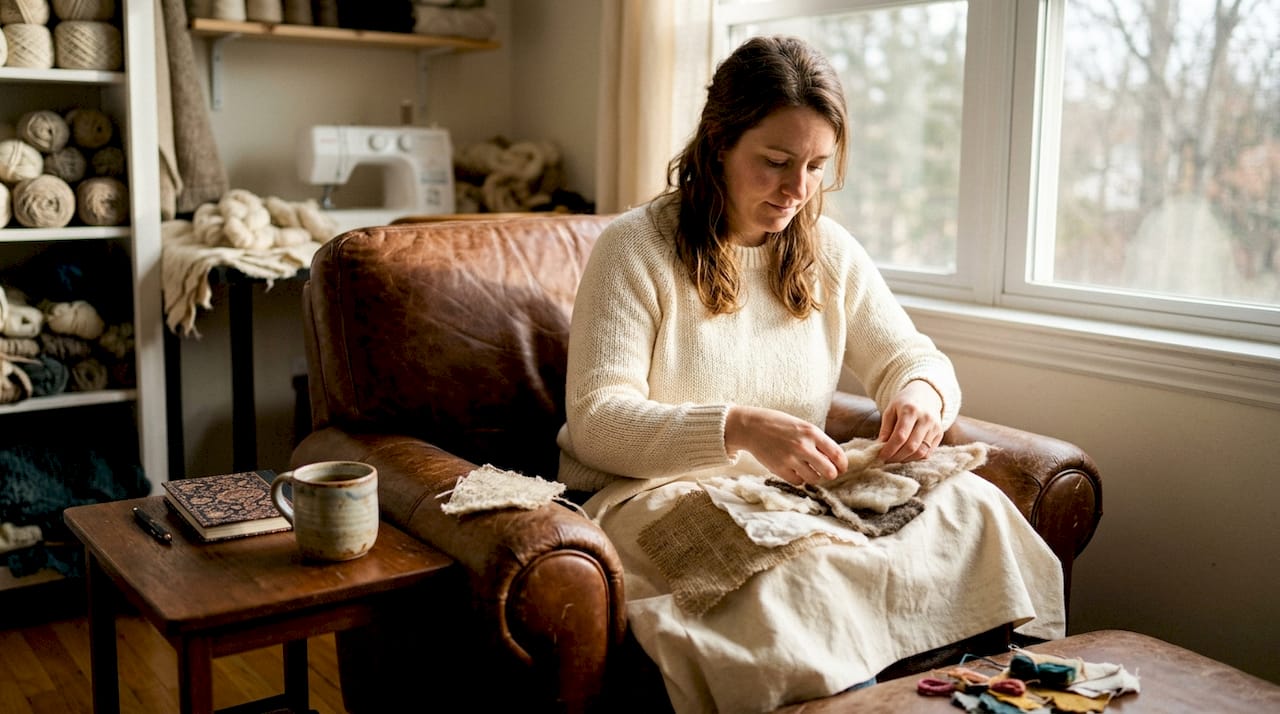
Wool offers natural temperature regulation and moisture-wicking properties. It is renewable, biodegradable, and naturally flame-resistant, which removes the need for chemical flame retardants that appear in many conventional pet beds.
Recycled textiles
Recycled PET (rPET) is made from post-consumer plastic bottles processed into polyester fiber. rPET uses over 50% less energy to produce than virgin polyester. That energy reduction translates directly into lower carbon emissions per bed produced. rPET is machine washable and holds its loft well, making it a practical filling for most dog bed styles.
Recycled polyvinyl butyral (RPVB) comes from recycled windshield interlayers. Premium brands use it for waterproof travel products where durability and moisture resistance are priorities.
Bio-based polymers and natural latex
Sorona® is a bio-based fiber derived partly from corn glucose. It offers softness and resilience comparable to synthetic alternatives but with a lower reliance on petrochemicals. Natural latex foam is sourced from rubber trees and provides a hypoallergenic alternative to synthetic memory foam. It is durable, supportive, and biodegradable at end of life.
Pro Tip: Water and pesticide usage vary sharply by material. Hemp uses a fraction of the water that conventional cotton requires. rPET avoids agricultural inputs entirely. Matching the material to your environmental priorities gives you more control over your actual impact.
Why do eco-friendly dog bed materials matter for health and the planet?
Conventional pet beds commonly use petroleum-based textiles, chemical flame retardants, and adhesives that off-gas volatile organic compounds (VOCs) into your home. Those VOCs affect indoor air quality and can trigger allergies in both pets and people. The U.S. pet industry generates approximately 300,000 tons of plastic waste annually. That figure reflects how deeply synthetic materials are embedded in standard pet product manufacturing.
Sustainable alternatives address this problem at the source. Natural fibers like organic cotton and hemp are biodegradable, meaning they break down at end of life rather than persisting in landfills. rPET diverts plastic bottles from waste streams and converts them into usable filling. Natural latex replaces synthetic foam without sacrificing comfort or support.
The health case for eco-friendly dog bed materials is equally direct. Pets spend long hours on their beds, and prolonged contact with chemical-treated fabrics raises exposure risk. Organic and certified recycled materials carry no synthetic pesticide residues and no added flame retardants. For dogs with skin sensitivities or allergies, this distinction is not minor. Choosing certified sustainable pet products reduces that chemical load at the point of contact.
Biodegradability and renewable sourcing also reduce pressure on finite resources. Hemp regenerates in months. Rubber trees produce latex for decades. These timelines contrast sharply with petroleum extraction, which has no renewal cycle.
How do you verify sustainability claims in pet bed materials?
Greenwashing is common in the pet product market. Vague terms like “eco-friendly” or “natural” carry no legal definition and no enforcement mechanism. GOTS and GRS certifications are the only reliable standards that verify organic or recycled content and enforce environmental and social criteria throughout production.
Here is what each certification actually covers:
- GOTS (Global Organic Textile Standard): Requires at least 95% certified organic fibers and mandates environmentally responsible processing at every production stage. It covers dyeing, finishing, and labor conditions.
- GRS (Global Recycled Standard): Verifies the recycled content percentage in a product and audits the supply chain for environmental and social compliance. It applies to rPET and other recycled materials.
- OEKO-TEX Standard 100: Tests finished textiles for harmful substances. It does not certify the production process but confirms the final product is free of known toxic chemicals.
- Rainforest Alliance: Relevant for natural latex sourced from certified rubber plantations, confirming responsible land management.
Certifications cover the full supply chain, not just the raw material. A bed labeled “made with organic cotton” may still use chemically processed dyes or unregulated fillings. Verified supply chain transparency and closed-loop recycling programs are the benchmarks that separate genuine sustainability from marketing language.
Pro Tip: Ask brands directly for their certification numbers. Legitimate certifications are publicly searchable on the GOTS and GRS databases. If a brand cannot provide a certificate number, the claim is unverified.
Sustainable pet food sourcing follows similar certification logic. Resources like MSC-certified fish standards show how third-party verification works across different pet product categories, giving you a useful framework for evaluating any eco-friendly claim.
How to choose and care for a sustainable dog bed
Choosing the right eco-friendly dog bed starts with matching material properties to your dog’s specific needs and habits.
- Assess your dog’s behavior first. Heavy chewers and scratchers wear through covers quickly. Hemp and tightly woven organic cotton hold up better than loosely knit fabrics. A durable outer cover extends the bed’s total lifespan, which is itself an environmental benefit.
- Prioritize removable, washable covers. Covers made from organic cotton or hemp can be machine washed without degrading the fiber. Regular washing removes allergens, bacteria, and odors without replacing the entire bed. This single feature does more for long-term sustainability than almost any material choice.
- Match the filling to your dog’s size and sleep style. rPET fiberfill suits most dogs and maintains loft through repeated washing. Natural latex foam suits larger or older dogs that need orthopedic support. Wool batting works well for dogs in colder climates.
- Check the fill-to-cover ratio. A well-filled bed holds its shape longer. Beds that flatten quickly get replaced sooner, which increases waste. Look for beds with dense, high-quality filling regardless of material type.
- Plan for end of life. Natural fiber covers can be composted. rPET filling can often be returned through brand take-back programs. Knowing the disposal path before you buy closes the loop on your sustainability commitment.
Extending a pet bed’s lifespan by even one additional year meaningfully reduces its per-year environmental cost. Washing covers monthly, rotating the bed to distribute wear, and storing it properly when not in use all contribute to that goal. For more detail on natural fiber covers and what certifications to look for, the plush dog bedding guide from Pawcaptain covers the key distinctions clearly.
Key Takeaways
The most effective approach to sustainable pet bedding combines certified materials, verified supply chains, and durable design to reduce environmental impact at every stage of a bed’s life.
| Point | Details |
|---|---|
| Certified materials only | GOTS and GRS are the only standards that verify organic and recycled content across the full supply chain. |
| rPET cuts energy use | Recycled PET filling uses over 50% less energy to produce than virgin polyester, making it the most practical eco filling. |
| Hemp outperforms cotton | Hemp requires minimal water and no pesticides, and it grows more durable with washing, ideal for active dogs. |
| Washable covers extend lifespan | Removable organic cotton or hemp covers reduce replacement frequency, lowering the bed’s total environmental cost. |
| Greenwashing is widespread | Vague “eco-friendly” labels carry no legal weight. Always request a certification number and verify it in the GOTS or GRS database. |
What the pet bedding market gets wrong about sustainability
The pet bedding market in 2026 has more “sustainable” labels than ever. Most of them mean very little. I have tracked this category long enough to see the pattern: a brand switches to a recycled label on the packaging, keeps the same petroleum-based filling, and calls it an eco product. That is not sustainability. That is repositioning.
The materials science in this space has genuinely advanced. Bio-based fibers like Sorona® and closed-loop rPET programs represent real progress. But the certification infrastructure has not kept pace with marketing claims. GOTS and GRS remain the only tools that actually audit what happens inside a factory, not just what goes on the hang tag.
My honest view is that eco-conscious pet owners are better served by buying one well-certified, durable bed than by cycling through three cheaper “natural” options in the same period. Durability is an environmental variable that almost no brand discusses, because it works against repeat purchases. A hemp-covered, rPET-filled bed that lasts four years beats a conventionally made bed replaced every 18 months on every environmental metric.
The brands worth supporting are the ones that publish their certification numbers, name their suppliers, and offer take-back or recycling programs. That level of transparency is rare, but it exists. Pawcaptain’s made-to-order model is one example of a production approach that reduces overstock waste at the source, which is a supply chain decision most brands never make.
— Michael
Pawcaptain’s approach to sustainable pet bedding
Pawcaptain builds its dog beds with the same principles covered in this guide: certified natural fiber covers, recycled fillings, and durable construction designed to last.
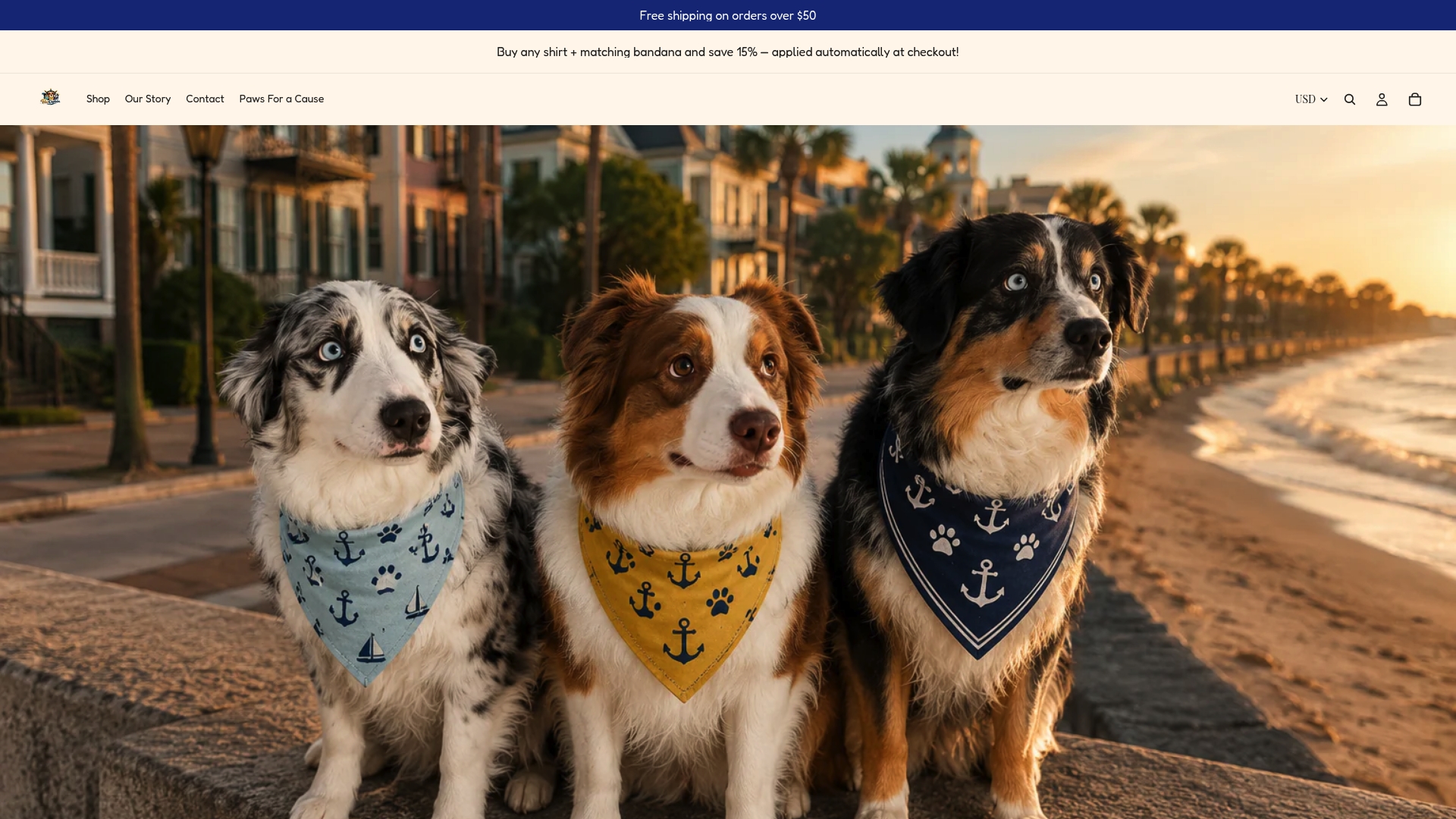
The Coastal Crab Plaid Dog Bed and the Coastal Patchwork Dog Bed both feature removable covers and eco-focused materials, made to order to eliminate overproduction waste. Pawcaptain also supports local animal shelters as the brand grows, so each purchase connects to a broader community impact. For eco-conscious pet owners who want style, comfort, and verified sustainability in one product, these beds are a direct application of everything covered here.
FAQ
What does GOTS certification mean for a pet bed?
GOTS (Global Organic Textile Standard) requires at least 95% certified organic fibers and mandates environmentally responsible processing at every production stage. A GOTS-certified pet bed cover is free of synthetic pesticide residues and harmful chemical finishes.
Is rPET filling safe for dogs?
Yes. Recycled PET fiberfill is made from processed plastic bottles and contains no active chemical additives once converted to fiber. It is machine washable and widely used in certified eco-friendly pet bedding.
How do I spot greenwashing in eco-friendly dog bed materials?
Look for a specific certification number from GOTS or GRS, not just a logo or the word “organic.” Legitimate certifications are publicly searchable. If a brand cannot provide a certificate number, the sustainability claim is unverified.
Is natural latex better than memory foam for dogs?
Natural latex is hypoallergenic, biodegradable, and sourced from rubber trees rather than petrochemicals. It provides comparable support to synthetic memory foam with a significantly lower environmental footprint and no VOC off-gassing.
How often should I wash a sustainable dog bed cover?
Washing a removable cover monthly removes allergens and bacteria without degrading natural fibers like organic cotton or hemp. Regular washing extends the bed’s usable life, which reduces its per-year environmental cost.