

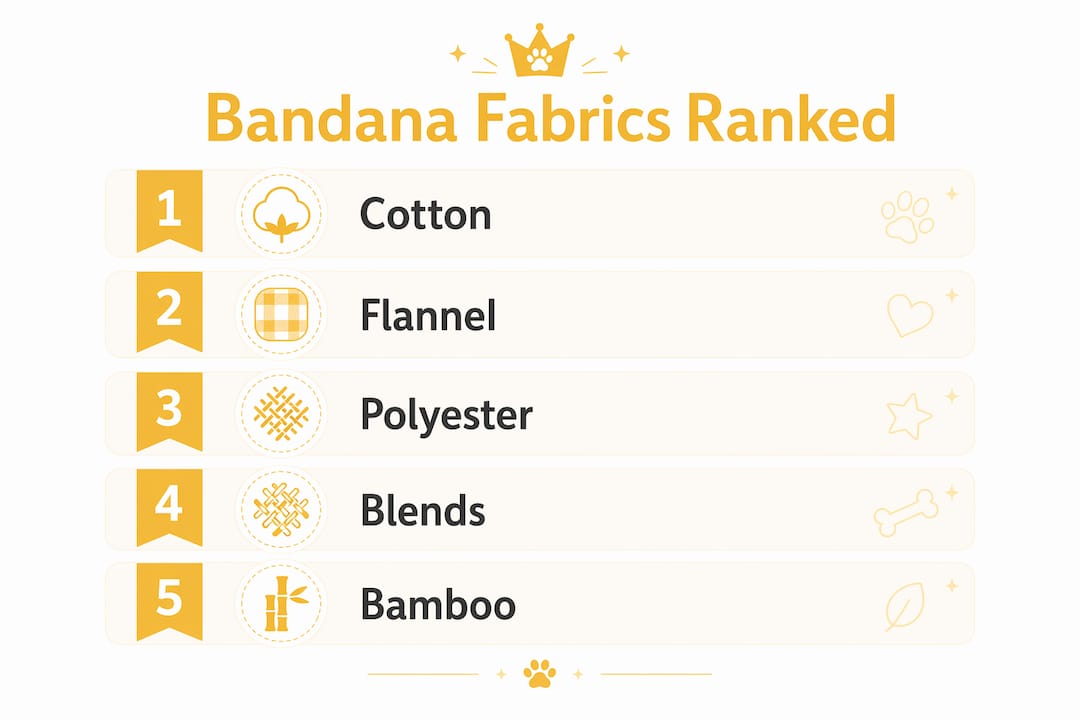
Cotton, flannel, and polyester are the most practical fabrics for dog bandanas. Each serves a different purpose based on your dog’s coat, climate, and activity level. Here is a quick breakdown of the top choices:
- Cotton: Soft, breathable, and hypoallergenic for most dogs. Best for everyday wear in any season.
- Flannel: Warm and cozy. Ideal for fall and winter, especially for short-haired or small breeds.
- Polyester: Durable, fast-drying, and holds vibrant prints well. Better for active dogs than sensitive ones.
- Cotton-polyester blends: Balanced softness and durability. A solid all-around pick for daily use.
- Lightweight fabrics (rayon, lawn, voile): Drape smoothly over fur. Best for long-haired dogs who need flow without bulk.
Dog bandana fabrics explained: how the main types compare
The five core fabric types each perform differently across comfort, durability, and seasonal fit. This table covers what you need to know at a glance.
| Fabric | Comfort and breathability | Seasonal suitability | Durability | Maintenance | Safety for dogs |
|---|---|---|---|---|---|
| Cotton | High | Year-round | Moderate | Machine washable | Very safe; hypoallergenic |
| Flannel | High warmth | Fall and winter only | Moderate | Machine washable | Safe; avoid in heat |
| Polyester | Low breathability | Cool seasons or short wear | High | Machine washable | Use caution on sensitive skin |
| Cotton-polyester blend | Moderate | Year-round | High | Machine washable | Generally safe |
| Rayon, lawn, voile | High | Warm weather | Low to moderate | Gentle wash | Safe; avoid rough play |
Cotton remains the top recommendation for everyday dog bandanas because of its softness, breathability, and hypoallergenic properties. Natural fibers like cotton and bamboo sit closer to the skin without trapping heat or causing friction. Synthetic fabrics like polyester offer durability and print clarity but tend to retain heat, which can be uncomfortable for thick-coated or heat-sensitive dogs.
Breathable, lightweight fabrics reduce the risk of heat stress, especially for active dogs or those in warmer U.S. climates like the South or Southwest. Fabric choice is not just about looks. It directly affects how your dog feels wearing the bandana for hours at a time.
Pros and cons of the most common dog bandana materials
Cotton
Pros:
- Soft against skin, even for allergy-prone dogs
- Breathable and lightweight for warm weather
- Easy to wash and widely available in hundreds of prints
Cons:
- Wrinkles easily and loses shape when wet
- Dries slowly compared to synthetic options
- Can shrink if not pre-washed before use
Pro Tip: Always choose pre-washed or colorfast cotton to prevent dye bleeding and shrinkage after the first wash.
Flannel
Pros:
- Excellent insulation for cold weather
- Soft, velvety texture that drapes well
- Widely available in classic plaid and seasonal prints
Cons:
- Traps heat in summer, risking overheating in short-nosed breeds like Bulldogs and Pugs
- Heavier weight adds bulk on smaller dogs
- Not ideal for dogs that run hot year-round
Polyester
Pros:
- Highly durable and tear-resistant
- Holds vibrant, long-lasting prints well
- Fast-drying and wrinkle-resistant
Cons:
- Limited breathability, especially in high humidity
- Can cause skin irritation on sensitive dogs
- Not recommended for warm climates during extended outdoor wear
Cotton-polyester blends
Pros:
- Combines cotton’s softness with polyester’s durability
- Resists wrinkling and holds shape through repeated washing
- Balanced moisture absorption and easy care
Cons:
- Less breathable than 100% cotton
- Synthetic content may still irritate very sensitive skin
Rayon, lawn, and voile
Pros:
- Drape smoothly over fur, preventing puffing and matting on long-haired breeds
- Lightweight and breathable for warm weather
- Polished, flowing look for styled photos or events
Cons:
- More delicate than woven cotton; not suited for rough play
- Requires gentle washing to maintain shape
- Less widely available in pet-specific prints
Which fabrics work best by season?
Matching fabric to season keeps your dog comfortable and avoids overheating or chills. Here is how to approach it by time of year.
Spring and fall:
- Cotton and cotton-polyester blends work well. Temperatures are moderate, so breathability and light durability are the main priorities.
- Flannel is acceptable in early fall when mornings are cool but afternoons are mild.
Summer:
- Stick with lightweight cotton, cotton lawn, or performance fabrics like Active Knit. These wick moisture and support airflow, which matters most for dogs in hot, humid regions.
- Avoid flannel and heavy polyester entirely. Both trap heat and raise the risk of overheating, particularly in brachycephalic breeds.
- Cooling fabrics designed to be soaked in water before use offer an extra layer of comfort on hot hikes or beach days.
Winter:
- Flannel and double-layer cotton provide insulation without adding excessive weight. Small breeds and short-haired dogs benefit most from the extra warmth.
- Polyester flannel, which blends polyester’s durability with flannel’s softness, is a practical winter option that washes easily.
For seasonal fabric swaps, the general rule is simple: lighter and more breathable in warm months, warmer and more insulating when temperatures drop.
Safety and practical tips for choosing the right fabric
Dog bandanas are safe when made with soft, breathable, properly fitted materials. The risks come from poor design, wrong sizing, or unsafe fabrics. Keep these points in mind before you buy or make one.
- Fit matters as much as fabric. A bandana that is too tight restricts breathing. One that is too loose can snag on objects or get chewed. Measure your dog’s neck and allow enough room for two fingers to fit comfortably underneath.
- Avoid rough textures and heavy dyes. Low-quality fabrics with rough edges or excess dye can cause redness and itching, especially on dogs with thin or sensitive skin.
- For sensitive dogs, choose organic cotton or bamboo. Natural fibers with minimal dye are the gentlest option and least likely to trigger allergic reactions.
- Wash before first use. Pre-washing removes residual dyes and fabric treatments that could irritate skin.
- Check for fraying edges. Loose threads are a chewing hazard. Finish edges with a tight zigzag stitch or serger to keep the bandana intact through regular wear.
Pro Tip: Before choosing a synthetic blend, check your dog’s skin for any existing irritation or redness. Dogs with a history of contact dermatitis do better with organic cotton or bamboo than with polyester-heavy fabrics.
Supervision during wear is also worth mentioning. Even the safest fabric can become a hazard if a dog chews through it unsupervised.
How much fabric do you need to make a dog bandana?
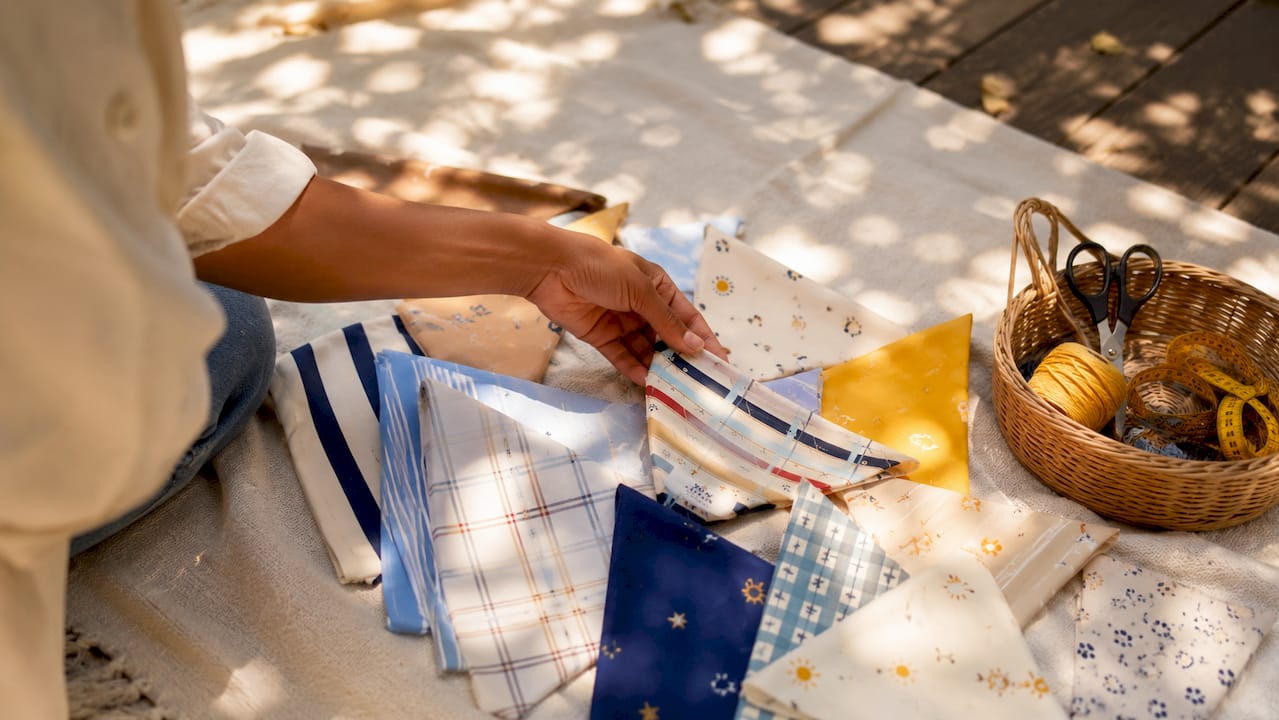
For DIY projects, fabric requirements depend on your dog’s size. A single bandana typically requires one fat quarter, which is an 18" x 18" fabric square. Finished bandana sizes vary by dog size, increasing progressively from small to extra-large to ensure appropriate fit and comfort.
When working with patterned fabric, buy extra to account for pattern matching at the seams. Reversible bandanas require double the fabric since you are cutting two identical pieces. For a breed-specific size reference, matching your dog’s neck measurement to the right bandana size prevents fit issues before you cut a single piece of fabric.
Cut fabric into a triangle or square shape, hem all edges to prevent fraying, and use a strong polyester thread for seams. Cotton and cotton-blend fabrics are the easiest to sew on a standard home machine. Stretch knits require a machine with elastic threading capability.
Does fabric choice affect environmental impact?
Yes, and the difference between options is meaningful. Cotton, especially organic cotton, is biodegradable and produced without synthetic pesticides when certified. Conventional cotton farming does use significant water and chemical inputs, so certified organic or recycled cotton is the more responsible pick when available.
Polyester is derived from petroleum and is not biodegradable. It also sheds microplastics during washing, which enter waterways. That said, recycled polyester (made from post-consumer plastic bottles) reduces virgin plastic demand and is increasingly available in pet accessory fabrics.
Bamboo fiber is a fast-growing, low-input crop that produces a soft, biodegradable fabric. It works well for sensitive dogs and carries a lower environmental footprint than conventional cotton or virgin polyester. For dog owners who prioritize sustainability, eco-friendly fabric options like organic cotton and bamboo blends are the clearest choices.
Pawcaptain makes all products to order, which cuts fabric waste at the source. That made-to-order model means no overproduction and no unsold inventory sitting in a warehouse.
Choosing the right bandana fabric comes down to three things: your dog’s skin sensitivity, the climate you live in, and how active your dog is day to day. Cotton covers most situations. Flannel handles cold weather. Polyester works for durability when breathability is less of a concern. Blends and specialty fabrics fill the gaps in between.
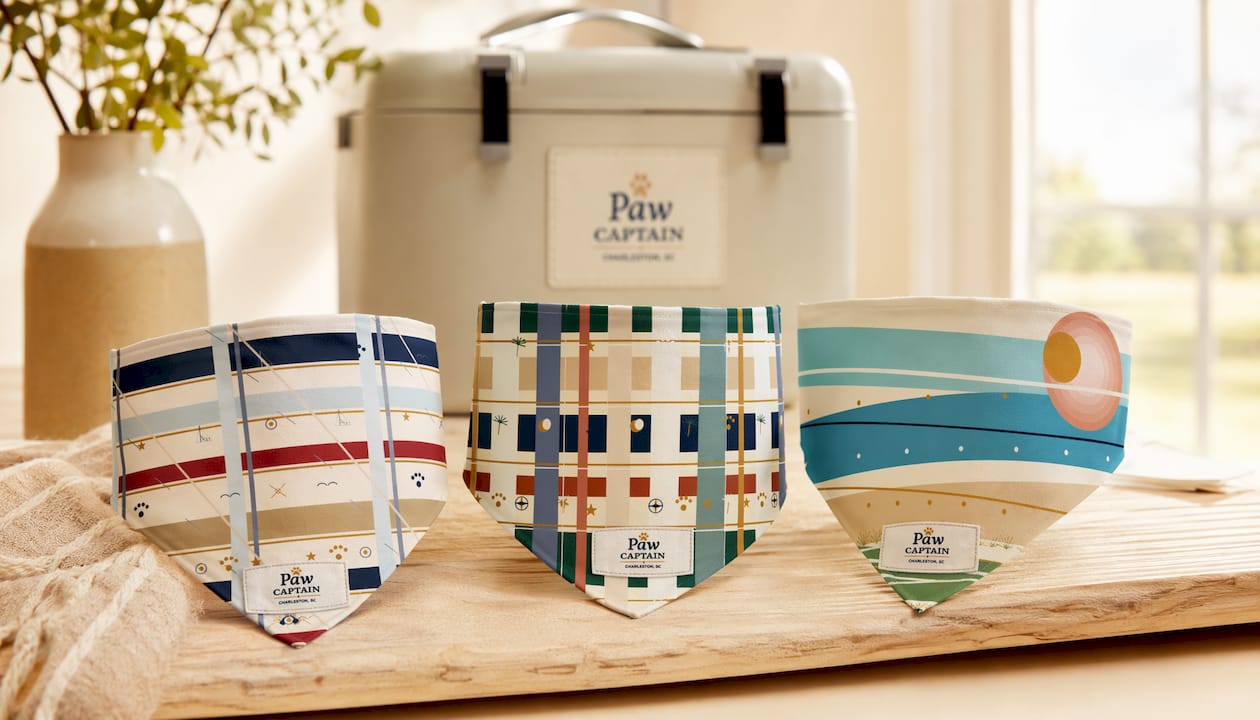
Pawcaptain’s Sailcloth Check Stripe Dog Bandana, Dockside Plaid Stripe Dog Bandana, and Lowcountry Drift Dog Bandana are each made to order with comfort and coastal style in mind. Every design reflects the brand’s commitment to quality materials and minimal waste.
Key Takeaways
Cotton is the most versatile and widely recommended fabric for dog bandanas, with flannel, polyester, and blends each serving specific needs based on season, coat type, and activity level.
| Point | Details |
|---|---|
| Cotton leads for everyday use | Soft, breathable, and hypoallergenic; safe for most dogs year-round. |
| Flannel is for cold weather only | Excellent insulation in fall and winter; avoid in summer to prevent overheating. |
| Polyester suits active or outdoor dogs | Durable and fast-drying but traps heat; use caution on sensitive skin. |
| Sizing affects safety as much as fabric | Finished sizes vary by dog size to ensure appropriate fit and comfort; fit determines safety. |
| Organic cotton and bamboo reduce irritation | Best choices for dogs with sensitive skin or a history of contact reactions. |