

Sustainable dog accessories are defined as pet gear made from recycled, natural, or upcycled materials that reduce environmental waste without sacrificing performance or comfort. The best examples of sustainable dog accessories include collars woven from post-consumer recycled plastic bottles, leashes made from BioThane® or retired climbing ropes, harnesses crafted from recycled polyester, and treat bags constructed from repurposed fishing nets. These products use materials like R-PET, hemp webbing, and upcycled rope to deliver durability and style while cutting the footprint of conventional pet gear. Knowing how to choose sustainable pet products separates a genuine eco purchase from greenwashing.
1. Examples of sustainable dog accessories: recycled plastic bottle collars
Recycled PET (R-PET) collars are woven directly from post-consumer plastic bottles and ocean waste. R-PET collars support dogs up to 50 lbs and use aluminum hardware weighing just 18g per hook, tested to hold up to 400 kg. That combination of light weight and high load tolerance makes R-PET a practical choice for everyday walks and active dogs alike.
The environmental case is equally strong. Recycled nylon production cuts greenhouse gas emissions by about 28% per ton compared to virgin nylon. That reduction is meaningful at scale, especially as pet ownership continues to grow across the United States.

Truly sustainable collars go beyond the material itself. The best options also use FSC-certified, plastic-free packaging and are backed by ethical manufacturing practices. That full-circle approach is what separates a genuinely green product from one that simply uses a recycled label.
2. Hemp collars: a natural and hypoallergenic option
Hemp is one of the oldest natural fibers used in dog gear, and it earns its reputation. Hemp dog collars are naturally hypoallergenic, machine-washable, and soften with wear, making them a strong fit for dogs with sensitive skin. The fiber grows without pesticides and requires far less water than cotton, adding an upstream environmental benefit before the collar is even sewn.
Hemp webbing also holds up well under daily use. It resists mildew, dries quickly, and maintains its shape after repeated washing. For dog owners who want a natural fiber option that is both gentle on their dog and easy to maintain, hemp delivers on both counts.
Pro Tip: Machine wash hemp collars in cold water and lay flat to dry. Heat can shrink the webbing and reduce adjustability over time.
3. Upcycled climbing rope collars and leads
Upcycled climbing rope is one of the most performance-driven materials in sustainable pet gear. Retired climbing ropes are engineered to handle loads of thousands of pounds, so repurposing them into dog collars and leads produces gear with exceptional strength-to-weight ratios. The material would otherwise end up in a landfill, making each product a direct act of waste reduction.
The texture of climbing rope also provides a natural grip for handlers, which is useful on wet trails or during high-energy walks. Collars and leads made from this material tend to be thicker than standard nylon, giving them a distinct look that appeals to owners who want durable dog apparel with a rugged aesthetic. The upcycling process varies by maker, so colorways and patterns differ from batch to batch, making each piece genuinely one of a kind.
4. BioThane® leashes: waterproof and odor-resistant
BioThane® is a coated webbing material that functions as a practical alternative to traditional nylon in sustainable leash design. BioThane® leashes are fully waterproof, odor-resistant, and do not fray or absorb water the way standard nylon does. That makes them a reliable choice for dogs that swim, hike in rain, or spend time in muddy environments.
The material wipes clean in seconds, which reduces the need for frequent washing and extends product life. BioThane® is also available in a wide range of colors, so eco-friendly dog gear does not have to look utilitarian. It pairs well with recycled hardware for a complete green build.
5. Adjustable recycled nylon leashes with multi-use designs
Adjustable leashes made from recycled nylon offer versatility that single-length leashes cannot match. Sustainable leashes in this category typically range from 1.2m to 2.4m and convert between standard, hands-free, waist-worn, and crossbody configurations. That range of use reduces the need to own multiple leashes, which cuts both spending and consumption.
Recycled nylon performs comparably to virgin nylon in tensile strength and abrasion resistance. The difference shows up in the supply chain, not in the walk. Owners who want eco-friendly dog gear that works as hard as conventional options will find adjustable recycled nylon leashes among the most practical choices available.
Pro Tip: When using a hands-free leash configuration, check the waist loop stitching monthly. High-tension points wear faster than the main webbing and are the first place stress shows.
6. Recycled polyester harnesses
Harnesses made from recycled polyester deliver the same padded comfort and adjustable fit as conventional options, with a lower production footprint. Recycled polyester uses post-consumer plastic bottles as its base material, diverting waste from landfills and reducing reliance on virgin petroleum-based fibers. The fabric holds dye well, resists pilling, and maintains its shape through repeated use and washing.
Organic cotton canvas is a second strong option for harnesses, particularly for dogs with skin sensitivities. It breathes better than synthetic materials in warm weather and softens with each wash. Both materials support a range of sizing adjustments, making them suitable for dogs of different builds. Checking the sustainable pet bed materials guide from Pawcaptain offers useful context on how these same fabrics perform across different product types.
7. Treat bags made from recycled fishing nets
Treat bags constructed from recycled fishing nets represent one of the more creative examples of zero-waste dog accessories. Discarded fishing nets are a significant source of ocean plastic pollution, and repurposing them into functional pet gear addresses that problem directly. Treat bags from fishing nets offer multi-wear functionality, attaching at the shoulder, waist, or belt clip depending on the owner’s preference.
The material is naturally water-resistant and holds up well against the oils and moisture that come with regular treat handling. These bags tend to be compact but structured, keeping treats accessible during training without bulk. For dog owners who train frequently, a treat bag that doubles as a sustainable purchase is a practical upgrade.
8. Matching sustainable bandanas and apparel sets
Matching sets for dogs and their owners represent a growing category within sustainable pet products. Pawcaptain produces coastal-inspired bandanas and apparel made to order, which eliminates overproduction waste entirely. The made-to-order model means no excess inventory sits unsold in a warehouse, a common source of textile waste in the broader pet industry.
Bandanas made from natural or recycled fabrics sit lightly on a dog’s neck and add style without restricting movement. Matching owner tees made from the same fabric family create a coordinated look that resonates with dog owners who treat their pets as family members. The styling and eco tips guide from Pawcaptain covers how to build a cohesive, sustainable accessory set from collar to bandana.
9. Eco-friendly dog beds with recycled fill
Sustainable dog beds use recycled polyester fill, organic cotton covers, or upcycled fabric remnants to reduce the environmental cost of pet comfort. The fill material matters as much as the outer fabric. Recycled polyester fill performs comparably to virgin polyester in loft and support while using post-consumer plastic as its source. Beds with removable, machine-washable covers extend product life significantly by allowing owners to clean the cover without replacing the entire bed.
Comparison of sustainable materials
| Material | Durability | Comfort | Washability | Environmental benefit |
|---|---|---|---|---|
| Recycled polyester (R-PET) | High | Medium | Machine wash | Diverts plastic bottles from landfill |
| Hemp webbing | High | High (softens with wear) | Machine wash | Pesticide-free, low water use |
| Upcycled climbing rope | Very high | Medium | Spot clean | Repurposes discarded industrial rope |
| BioThane® | High | Medium | Wipe clean | Reduces nylon waste, long lifespan |
| Recycled fishing net | Medium | Medium | Hand wash | Removes ocean plastic waste |
Hemp and recycled polyester suit most everyday use cases. Upcycled climbing rope is the best choice for large, strong dogs or owners who prioritize maximum tensile strength. BioThane® wins for wet climates and water-loving dogs.
How to maintain sustainable dog accessories
Proper care extends the life of eco-friendly gear and reinforces the sustainability of the purchase. Hand-washing with mild soap, rinsing thoroughly, and air-drying flat preserves both the fiber structure and the hardware finish on most recycled and natural materials. Machine washing is safe for hemp and recycled polyester, but hot water and high-spin cycles accelerate wear.
Aluminum hardware requires specific attention after wet exposure. Wiping metal parts dry after rain or swimming prevents oxidation and keeps buckles and D-rings functioning smoothly. Storing gear away from direct sunlight also slows UV degradation on dyed fabrics.
Pro Tip: Use a small amount of beeswax or natural conditioning balm on upcycled rope collars every few months. It keeps the fibers supple and adds a light layer of water resistance.
Key care practices at a glance:
- Hand wash recycled polyester and BioThane® with mild soap and cool water.
- Machine wash hemp collars on a cold, gentle cycle.
- Air dry all sustainable gear flat, away from direct heat.
- Wipe aluminum hardware dry after every wet outing.
- Store gear in a breathable bag or open shelf, not a sealed container.
Key Takeaways
Sustainable dog accessories deliver genuine environmental benefits when they combine recycled or natural materials, ethical manufacturing, and proper owner care to extend product life.
| Point | Details |
|---|---|
| Material choice drives impact | R-PET, hemp, upcycled rope, and BioThane® each reduce waste in different ways. |
| Recycled nylon cuts emissions | Recycled nylon production reduces greenhouse gas emissions by about 28% per ton versus virgin nylon. |
| Care extends product life | Hand washing, air drying, and wiping hardware dry significantly prolong sustainable gear. |
| Made-to-order reduces overproduction | Brands like Pawcaptain eliminate excess inventory waste by producing only what is ordered. |
| Full-circle sustainability matters | Ethical manufacturing and plastic-free packaging complete the environmental case beyond materials alone. |
Why I think most eco pet gear misses the obvious point
The conversation around green dog accessories tends to focus almost entirely on what a product is made from. That framing is incomplete. A collar woven from recycled bottles but shipped in layers of plastic wrap and manufactured in a facility with no labor standards is not a sustainable product. It is a sustainable material in an unsustainable system.
What I have found actually works is looking at the whole chain. Made-to-order production, like Pawcaptain uses, eliminates the overproduction problem that plagues most pet brands. FSC-certified packaging closes the loop on the unboxing experience. Donation programs that support local shelters connect the purchase to a community outcome. These details are rarely on the product page, which is exactly why they matter most.
The other thing most guides get wrong is treating durability as a secondary concern. A hemp collar that lasts five years is more sustainable than a recycled polyester one that lasts eighteen months, regardless of the material origin story. The most eco-friendly purchase is the one you do not have to repeat. That principle should drive every buying decision in this category, and it is the lens I apply when evaluating any new product that claims a green credential.
— Michael
Pawcaptain’s coastal-inspired sustainable accessories
Pawcaptain designs pet accessories that balance style, comfort, and environmental responsibility in every product. All items are made to order, which means zero overproduction and no unsold inventory ending up in a landfill.
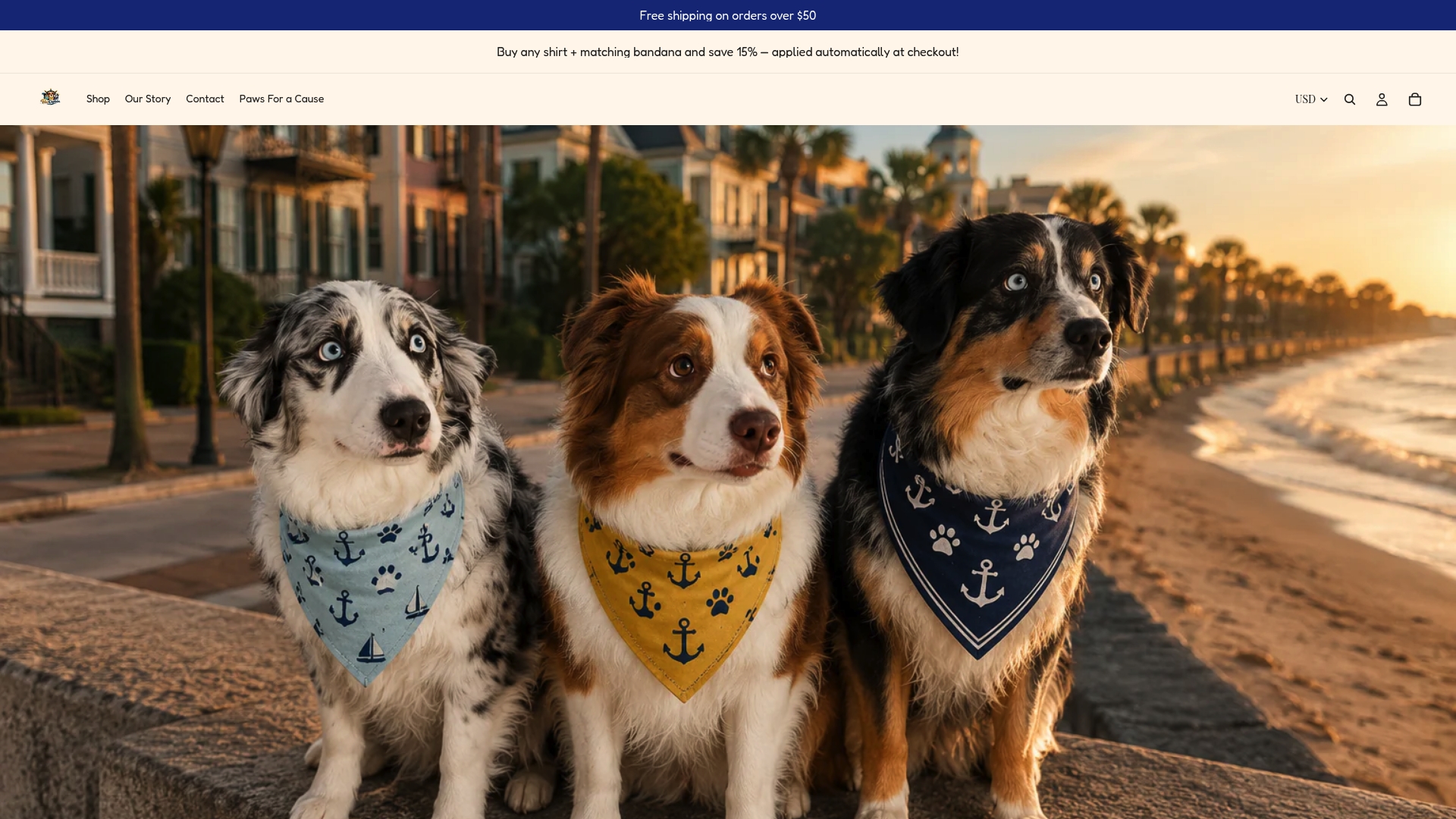
The Coastal Bow Club Matching Set pairs a dog bandana with a matching owner piece, both crafted from eco-conscious fabrics. For rest time, the Lowcountry Stripe Dog Bed uses recycled fill and a washable cover built to last. Pawcaptain also supports local animal shelters as the brand grows, so each purchase contributes to a broader community impact. Browse the full collection at pawcaptain.com to find gear that looks good and does good.
FAQ
What materials make dog accessories sustainable?
Sustainable dog accessories use recycled PET plastic, hemp webbing, upcycled climbing rope, BioThane®, and recycled fishing nets. These materials reduce landfill waste and lower the environmental cost of production compared to virgin synthetic fibers.
Are hemp dog collars safe for dogs with allergies?
Hemp collars are naturally hypoallergenic and soften with wear, making them a safe and comfortable choice for dogs with sensitive skin. They are also machine-washable, which helps remove allergens and bacteria between uses.
How long do sustainable dog accessories last?
With proper care, including hand washing, air drying, and wiping hardware dry after wet exposure, sustainable dog gear lasts as long as conventional alternatives. Upcycled climbing rope and R-PET collars are particularly durable under daily use.
What is BioThane® and why is it used in eco leashes?
BioThane® is a coated webbing that is waterproof, odor-resistant, and does not fray or absorb water like standard nylon. Its long lifespan and easy maintenance make it a practical sustainable choice for dog leashes, especially in wet climates.
How do I know if a dog accessory brand is truly sustainable?
Look beyond materials to the full product chain. Genuine sustainability includes ethical manufacturing, plastic-free or FSC-certified packaging, made-to-order production to prevent overstock, and community programs like shelter donations.