

Dog comfort style balance is defined as the practice of selecting apparel that meets your dog’s physical needs while maintaining an appealing look. Getting this right matters more than most dog owners realize. Poorly designed clothing can increase stress levels by up to 40% by restricting movement or causing overheating. That number means a cute outfit can actively harm your dog if fit and fabric are ignored. This guide covers the key factors, common mistakes, and practical steps to help you make apparel choices your dog will actually be comfortable wearing.
Dog comfort style balance explained: why fabric and fit come first
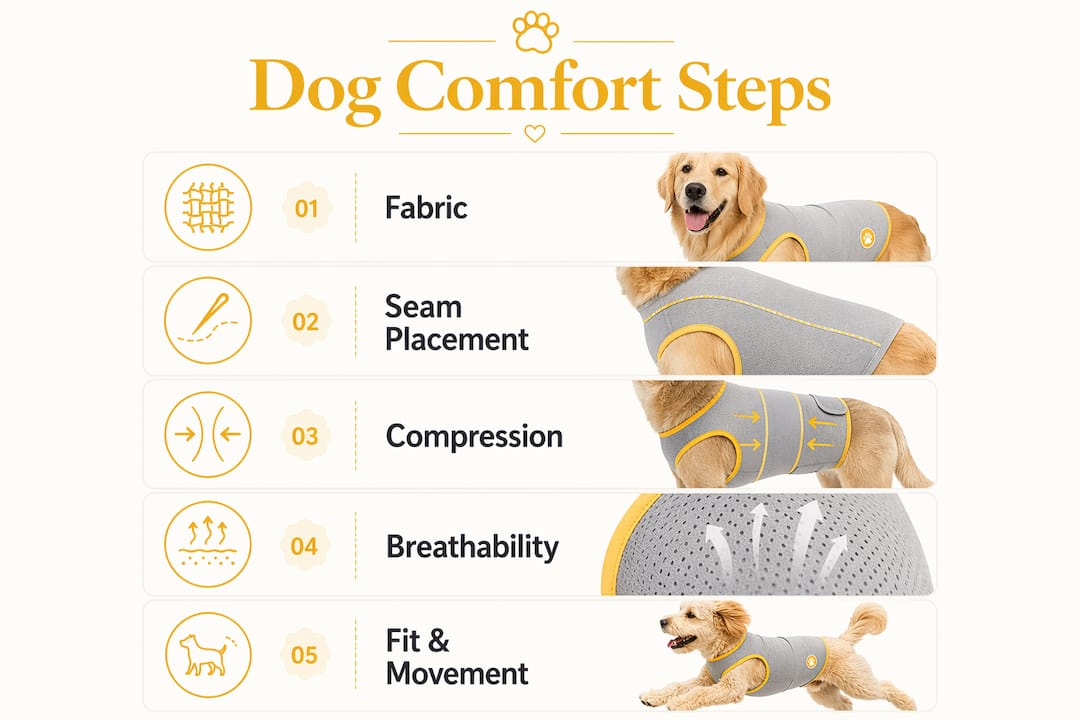
The foundation of any good dog apparel decision is understanding how fabric affects pressure on your dog’s body. Clothing pressure varies by fabric type, with padding exerting the highest pressure, followed by mesh, then cotton. Cotton is generally the most comfortable choice for daily wear. That ranking matters because high-pressure fabrics can restrict circulation and cause discomfort over time, even when the garment looks well-fitted.
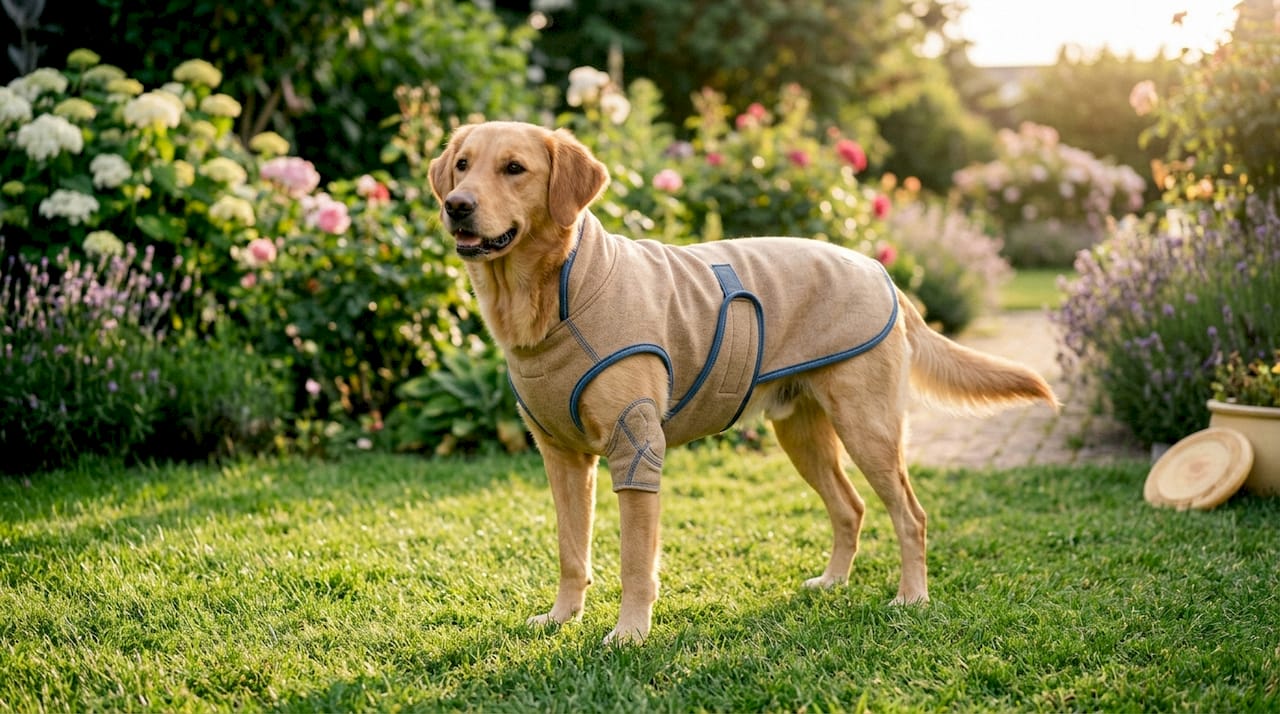
Seam placement is equally critical, and most dog owners overlook it entirely. Seams crossing joints like elbows or stifles cause painful chafing within hours, regardless of fabric quality. A garment made from the softest cotton will still hurt your dog if a seam runs across the elbow. Always check where seams land before purchasing.
Compression level is a third factor worth understanding. Anxiety-relieving garments should feature light torso compression of 10–15 mmHg to provide therapeutic comfort without restricting movement. Anything tighter crosses from calming into constricting. This range is the standard used in functional pet apparel design.
Breathability and moisture-wicking properties round out the comfort picture. Dogs regulate heat through panting and paw pads, not through skin. A fabric that traps heat forces your dog to work harder to stay cool, which adds stress during activity. Mesh panels and moisture-wicking linings help manage this, especially for active dogs or warm climates.
Pro Tip: Check the inside seams of any garment before buying. Run your finger along the seam path and imagine it pressing against your dog’s elbow joint during a full walk. If it crosses a joint, skip it.
| Fabric type | Pressure level | Best use case |
|---|---|---|
| Padding | Highest | Cold weather, joint support |
| Mesh | Medium | Active wear, warm climates |
| Cotton | Lowest | Everyday wear, sensitive skin |
What are the biggest misconceptions about dog apparel?
The most common mistake dog owners make is treating apparel as purely decorative. A bandana tied loosely around the neck causes no harm. A full-body costume that limits shoulder rotation is a different matter entirely. The line between fashion and function gets crossed when owners prioritize appearance without checking whether the garment allows natural movement.
“Dog apparel must not restrict panting or lying down. When clothing prevents these basic functions, it stops being care and becomes a costume that causes stress.” — Expert Elarion Veylenth, as cited in the ComfortFlex Pet Clothing Guide
Several specific misconceptions lead to poor choices:
- Tight means secure. A snug fit does not equal a safe fit. Garments that compress beyond the 10–15 mmHg therapeutic range restrict blood flow and movement.
- Dogs adapt quickly. Some dogs tolerate discomfort without obvious protest. Subtle signs like freezing, low posture, or reluctance to move signal distress.
- All fabrics feel the same. Padding, mesh, and cotton create measurably different pressure levels on the body. Fabric choice directly affects how a dog feels during wear.
- Apparel is only for cold weather. Functional apparel serves purposes year-round, from anxiety relief to UV protection to visibility during walks.
Ignoring these points leads to apparel that looks good in photos but creates real physical and emotional stress. For a deeper look at why material quality matters long-term, the durability of dog apparel is worth understanding before you buy.
How do you measure your dog for comfortable and stylish apparel?
Getting the right fit starts with accurate measurement. Weight and breed alone are unreliable sizing guides because body proportions vary widely within the same breed. Measuring your dog’s full stretched length from nose to tail, with added allowance, gives a far more accurate result for both apparel and bedding.
Follow these steps for a reliable fit assessment:
- Measure length. Have your dog stand naturally. Measure from the base of the neck to the base of the tail. Add 1–2 inches for movement allowance.
- Measure chest girth. Wrap a soft tape measure around the widest part of the chest, just behind the front legs. Add 1 inch for comfort.
- Measure neck circumference. Measure loosely around the base of the neck where a collar would sit. Two fingers should fit between the tape and the skin.
- Check joint clearance. Hold the garment against your dog before putting it on. Confirm that no seam falls directly over the elbow or stifle joint.
- Test in motion. Put the garment on and watch your dog sit, stand, and walk. Look for any bunching at the shoulders or pulling at the chest.
- Read your dog’s behavior. A dog that freezes, shakes, or tries to remove the garment is giving clear feedback. Comfort shows as normal, relaxed movement.
Dog body posture significantly affects clothing pressure. A garment that fits well at rest may become restrictive during active play. Testing fit across multiple postures is not optional. It is the only way to confirm the garment works for your dog’s actual life.
Pro Tip: Take measurements twice, once while your dog is standing and once while sitting. Compare the chest girth in both positions. If the difference is more than 2 inches, size up.
Styling tips that don’t compromise your dog’s comfort
Style and comfort are not opposites. The key is choosing design elements that add visual appeal without adding physical restriction. Reflective, non-toxic OEKO-TEX® certified dyes and eco-friendly fabrics maintain style without sacrificing safety. This standard confirms that dyes and materials meet human and animal safety thresholds.
Functional accessories are the easiest way to add style without risk. A well-fitted bandana, for example, adds personality without touching the torso or limbs. Pawcaptain’s coastal-inspired bandana designs use lightweight fabrics that sit comfortably at the neck without restricting movement or panting.
Key styling principles that keep comfort intact:
- Choose adaptive textiles. ComfortFlex technology uses 4-way stretch mesh, moisture-wicking lining, and targeted compression zones. These properties allow full mobility while maintaining a fitted, polished look.
- Layer for weather, not for looks. A base layer of cotton plus a lightweight outer layer for rain or wind serves a real purpose. Layering purely for visual effect adds unnecessary pressure.
- Avoid decorative hardware on the torso. Buttons, buckles, and embellishments on the chest or back can press into the skin during movement. Keep hardware on collars or bandanas where contact is minimal.
- Match activity level to fabric weight. A heavy knit works for a slow winter walk. It becomes a heat trap during a trail run. Match the garment to what your dog will actually be doing.
Watch for these signs that your dog dislikes the apparel: tucked tail, lowered head, refusal to walk, excessive scratching at the garment, or lying down immediately after being dressed. Any of these signals means the fit or fabric needs to change. For a full checklist on dog accessories and fit, Pawcaptain’s styling guide covers the specifics in detail.
Balanced activity also plays a role in how apparel performs. Balanced dog walking blends structure, sniffing, and loose-leash movement to meet dogs’ physical and emotional needs. An outfit that works for a structured heel may not work for a free-roam sniff session. Consider the full range of your dog’s movement when selecting any garment. For senior dogs with specific mobility needs, understanding senior dog walking can also inform which apparel choices support rather than hinder their activity.
Key Takeaways
Achieving dog comfort style balance requires prioritizing fabric pressure, seam placement, and fit across movement before any aesthetic consideration.
| Point | Details |
|---|---|
| Fabric pressure matters | Cotton exerts the least pressure; use it for daily wear and sensitive dogs. |
| Seam placement is critical | Seams over joints cause chafing within hours regardless of fabric quality. |
| Measure in motion | Test fit while your dog sits, stands, and walks to catch restrictive spots. |
| Compression has a safe range | Therapeutic compression sits at 10–15 mmHg; anything tighter causes harm. |
| Style works through accessories | Bandanas and lightweight accents add visual appeal without restricting the torso. |
What I’ve learned from watching dogs in apparel
The conventional wisdom says “if the dog tolerates it, it’s fine.” That framing is wrong, and I’ve seen it lead to real problems. Tolerance is not comfort. A dog that stands frozen in a new outfit is not being dramatic. That dog is communicating that something is wrong, and most owners miss it because the dog isn’t yelping.
What I’ve found actually works is treating apparel selection the same way you’d treat buying shoes for a child who can’t talk. You check the fit at rest, you check it in motion, and you watch the face. Dogs give clear signals when something hurts or restricts them. The problem is that owners are often focused on how the outfit looks rather than how the dog moves.
The pet apparel industry has shifted noticeably toward function in recent years. Adaptive textiles, joint-aware seam placement, and certified safe dyes are now real features in well-designed products. That shift happened because enough owners started asking better questions. The more you understand about fabric pressure and fit mechanics, the harder it becomes to buy something that looks cute but fits badly.
My honest advice: start with a bandana or a lightweight layer before committing to full-body garments. Watch how your dog responds. Build from there. The goal is a dog that moves freely and looks great doing it, not a dog that endures looking great.
— Michael
Pawcaptain’s approach to comfort-first dog style
Pawcaptain designs coastal-inspired dog apparel with fit and fabric integrity at the center of every product. Each piece is made to order, which means sizing is taken seriously rather than defaulted to generic small, medium, and large categories.
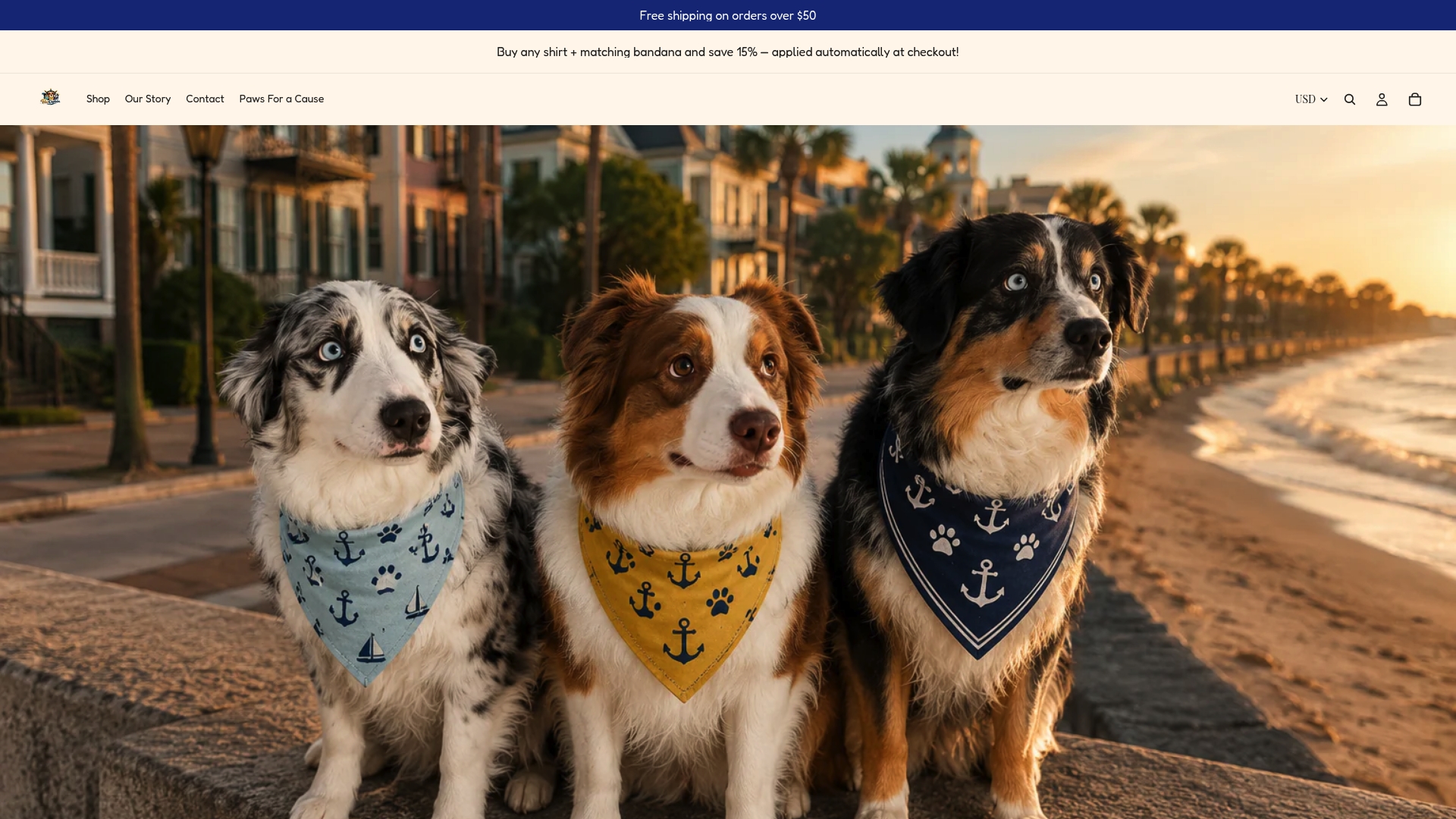
The Coastal Postcard Matching Set and the Southern Garden Dog Bandana are built from lightweight, breathable materials that sit comfortably at the neck without restricting panting or movement. These are the kinds of pieces that add real style without touching the torso or joints. Pawcaptain also offers matching sets for dogs and owners, making everyday moments more personal without compromising your dog’s comfort. Use the measurements from this guide to find the right fit before ordering.
FAQ
What is dog comfort style balance?
Dog comfort style balance is the practice of choosing apparel that meets your dog’s physical needs, including fabric pressure, seam placement, and mobility, while maintaining an appealing design.
What fabric is most comfortable for dog apparel?
Cotton exerts the lowest clothing pressure of common dog apparel fabrics and is the best choice for everyday wear on most dogs.
How tight should a dog anxiety garment be?
Anxiety-relief garments should apply light torso compression of 10–15 mmHg. Pressure above this range restricts movement rather than providing relief.
How do I know if my dog is uncomfortable in their outfit?
Watch for freezing, lowered posture, refusal to walk, or repeated attempts to remove the garment. These behaviors signal discomfort, not stubbornness.
Why does seam placement matter more than fabric?
Seams that cross joints like elbows or stifles cause painful chafing within hours, even on garments made from soft, high-quality materials. Fabric quality cannot compensate for poor seam placement.