

A match dog collar outfit is a coordinated look where your dog’s collar, leash, and accessories share colors, textures, or hardware finishes with your own clothing. The trend has shifted away from costume-like identical prints toward subtle, wearable coordination that works for everyday life. The industry term for this approach is “Mini-Me dressing,” and it prioritizes shared details over matching head-to-toe. Done well, it strengthens the visual bond between you and your dog without looking forced. Pawcaptain’s coastal-inspired matching sets are built exactly for this kind of effortless, modern style.
How to match dog collar outfit components for a stylish look
Choosing the right collar is the foundation of any coordinated look. The collar’s material, pattern, and hardware finish set the tone for everything else. A busy floral collar calls for a simple solid leash. A leather collar in caramel brown pairs naturally with a tan harness and a matching belt on your end.
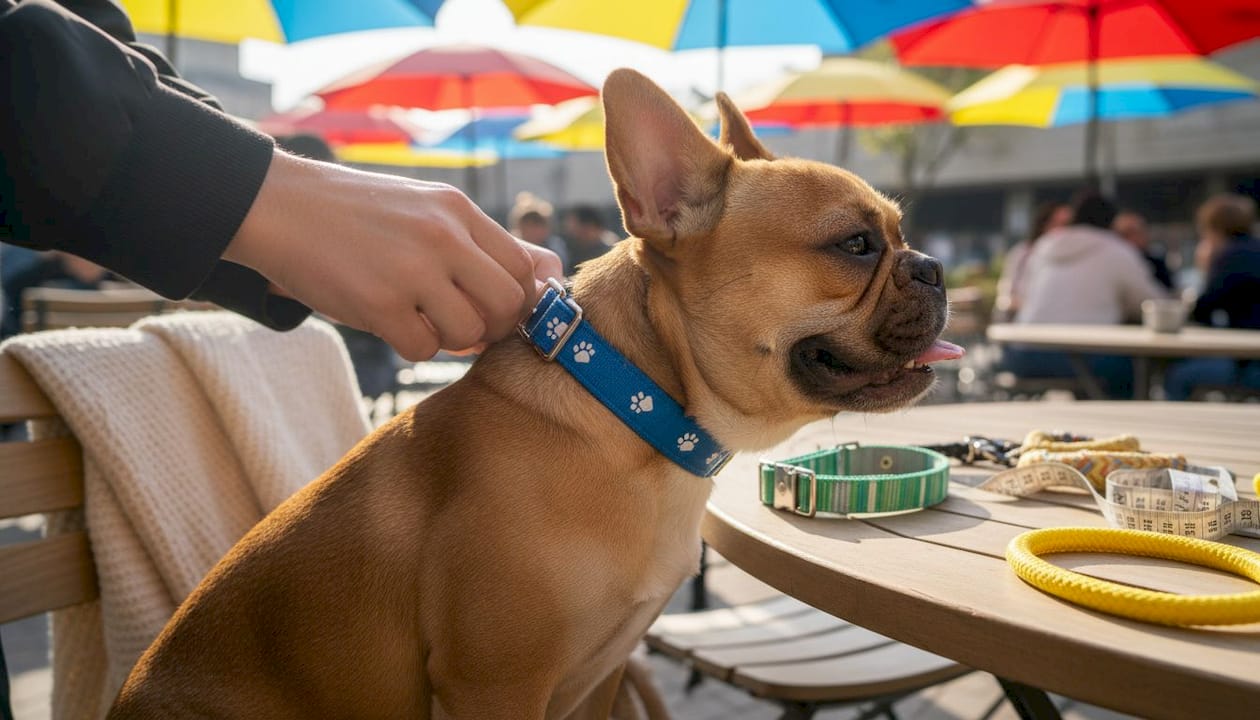
Collar fit comes first
The two-finger rule is the standard for collar fit: you should be able to slide two fingers between the collar and your dog’s neck. A collar that is too tight risks choking. One that is too loose creates escape and snag hazards. Fit always comes before fashion.
Matching the leash and harness
Your dog collar and leash set should read as a unit, not a collection of random pieces. The safest visual rule: if the collar carries the pattern, keep the leash and harness in a solid color pulled from that pattern. This prevents visual overload and keeps your dog’s look clean and intentional.
Key principles for selecting coordinated gear:
- Pattern balance. A floral collar works best as the focal point. Pair it with a solid leash in the collar’s dominant color.
- Hardware finish. Choose brass, matte black, or silver hardware consistently across the collar, leash clip, and harness buckle.
- Material weight. Lightweight cotton or mesh collars pair well with soft fabrics. Heavy leather collars suit structured gear.
- Dog size and personality. Slim collars suit small breeds. Wider collars with bold patterns work on larger dogs with strong builds.
- Color anchor. Pick one color from your dog’s collar and repeat it somewhere in your own outfit, like a scarf, bag, or shoes.
Pro Tip: Buy the collar and leash from the same collection when possible. Designers build color and hardware consistency into sets, which saves you the guesswork of mixing and matching separately.
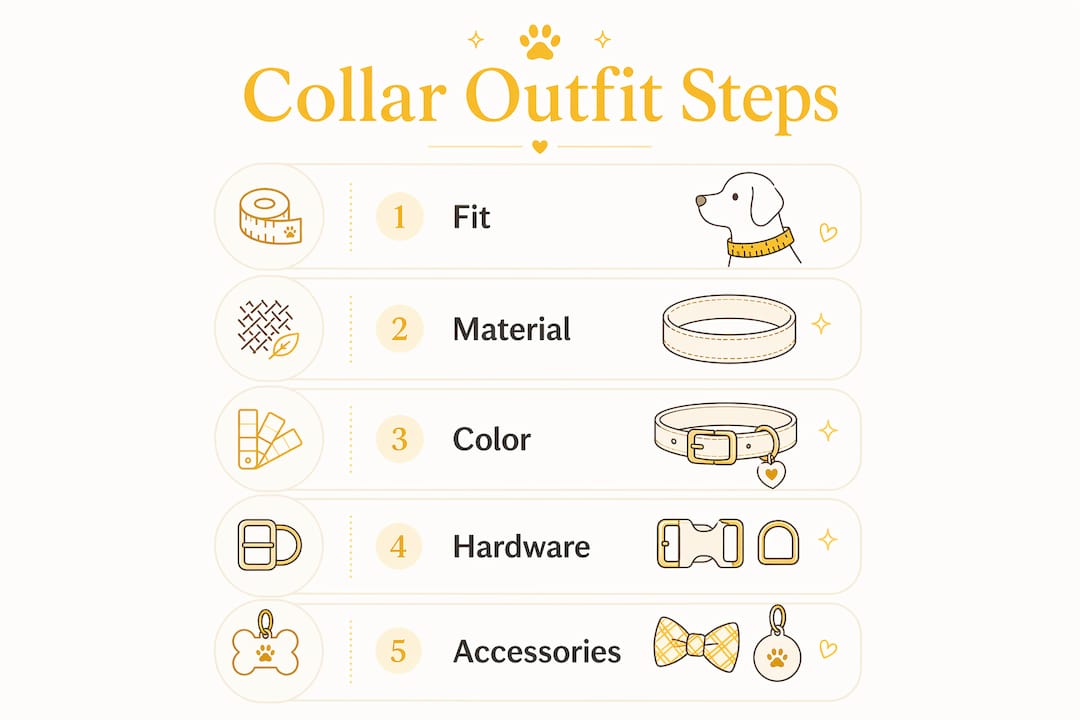
Techniques for coordinating your outfit with your dog’s accessories
The Mini-Me dressing trend is moving away from literal identical matching toward subtle echoing of styles. That shift matters because it makes coordinated looks wearable long-term, not just for one photo shoot. The goal is to share one or two visual details, not to dress identically.
Here is a practical sequence for building a coordinated look from scratch:
- Start with your dog’s collar. The collar is the fixed element. Build your outfit around it, not the other way around.
- Identify the collar’s dominant color. Pull that color into one item you are wearing. A navy collar suggests navy sneakers, a navy tote, or a navy stripe on a shirt.
- Match the hardware finish. If your dog’s collar has brass hardware, wear a belt with a brass buckle or carry a bag with gold-tone hardware. Matching metal finishes creates a refined, intentional look that reads as styled rather than accidental.
- Echo the texture, not the print. If your dog wears a shearling collar, add a shearling detail to your jacket. If the collar is woven cotton, wear a linen shirt. Texture echoing feels sophisticated without being obvious.
- Anchor the look with one shared element. Professional pet photographers recommend one unifying detail, like a tartan pattern or a specific leather color, to keep photos cohesive without visual noise.
- Avoid identical prints on both bodies. Matching a floral collar with a floral shirt tips the look into costume territory. Let the dog’s collar carry the print and keep your clothing simple.
Pro Tip: Bandanas are the easiest entry point for coordinated dressing. A plaid bandana on your dog paired with a plaid flannel shirt on you creates an immediate visual connection without any effort.
Accessories like bandanas, bow ties, and fashionable dog accessories give you flexibility. You can swap them seasonally without replacing the collar, which keeps costs low and the look fresh. Check out 2026 bold apparel trends for current color palettes worth pulling into your coordinated looks.
Styling matching dog collar outfits for different occasions
The occasion shapes every decision, from fabric weight to color intensity. A casual Saturday walk calls for different choices than a wedding or a holiday photo session.
Everyday coordination
Casual coordination is the easiest place to start. Keep it simple: one shared color, matching hardware, and comfortable fabrics for both of you. Floral collars work well for everyday wear when paired with solid leashes and neutral clothing on your end. Cotton and mesh fabrics suit warm months. Heavier woven collars with earth tones work naturally in fall and winter.
Special occasions and photo sessions
Special events require more planning, but the core rule stays the same: your dog’s comfort comes first.
- Keep the gear type familiar. For weddings or formal photos, maintain your dog’s usual collar or harness type and upgrade the style with a different color or a fancier hardware finish. Switching from a harness to a collar just for aesthetics can stress your dog.
- Use removable accessories. A floral crown, a bow tie clip, or a bandana adds occasion-appropriate style without changing the underlying gear.
- Choose a statement collar as the anchor. A floral or embroidered collar becomes the centerpiece. Keep your own outfit simple so the collar reads clearly in photos.
- Match seasonal colors. Warm burgundy and forest green suit fall events. Soft pastels and white work for spring weddings and outdoor shoots.
Styling for a special event works best when your dog feels completely at ease. A dog that is calm and comfortable will always photograph better than one wearing unfamiliar gear, no matter how stylish the outfit looks on paper.
Seasonal styling choices also affect fabric decisions. Lightweight cotton and mesh keep dogs cool in summer. Fleece-lined collars and woven wool accessories suit winter walks. Matching your own seasonal wardrobe to your dog’s accessories makes the coordination feel natural rather than forced.
Common mistakes to avoid when matching dog collar outfits
Most styling mistakes come from prioritizing looks over your dog’s comfort or from overdoing the coordination. Both are easy to fix once you know what to watch for.
The most common errors:
- Switching gear types for style. Putting a harness dog in a collar just because it looks better with your outfit creates stress and safety risk. Dog comfort is non-negotiable in any matching look.
- Matching busy patterns on both bodies. A floral collar paired with a floral shirt overwhelms the eye. One pattern per look is the rule.
- Ignoring washability. Collars and bandanas get dirty fast. Choose durable, machine-washable fabrics so the look stays fresh without constant replacement.
- Going all-in before testing. Start with a bandana or a collar swap before investing in a full matching dog outfit set. See what your dog tolerates comfortably.
- Skipping the sizing guide. Collar sizing varies by brand. Always check the brand’s fit guide and measure your dog’s neck before ordering.
Pro Tip: Photograph your dog in the collar before committing to a full coordinated look. Natural light shows the true color of the hardware and fabric, which helps you match your own wardrobe accurately.
The most durable coordinated looks use fabrics that hold up to real life. Nylon and cotton webbing collars survive rain, mud, and weekly washing. Leather collars develop a patina over time that actually improves with wear. Both options work well for long-term coordination without constant replacement.
Key Takeaways
A coordinated dog collar outfit works best when one shared detail, such as a hardware finish or accent color, ties the look together without forcing identical prints on both owner and dog.
| Point | Details |
|---|---|
| Fit before fashion | Use the two-finger rule to confirm collar fit before choosing any style. |
| Hardware finish is the easiest win | Match brass, silver, or matte black across collar, leash, and your own accessories. |
| One pattern per look | Let the collar carry the print; keep your clothing and the leash in solid colors. |
| Comfort drives special occasion choices | Keep your dog’s usual gear type and upgrade style with color or removable accessories. |
| Start small | Test coordination with a bandana before committing to a full matching set. |
Why subtle coordination beats full matching every time
The first time I saw a dog owner in a full head-to-toe matching outfit with their dog, I understood the appeal immediately. The second time, I noticed the dog looked stiff and uncomfortable in an unfamiliar collar. That gap between what looks great on a mood board and what actually works in real life is where most matching outfit advice falls short.
The shift toward subtle Mini-Me dressing is the right direction. Sharing a hardware finish or a single accent color creates a visual connection that reads as intentional without screaming “costume.” It also means the look travels. You can wear it on a Tuesday walk, not just for a holiday photo.
What I have found works consistently: pick the collar first, then build everything else around it. The collar is the one element your dog wears every day. It should be comfortable, durable, and genuinely reflective of your dog’s personality. Once that is right, the coordination almost builds itself.
The pressure to match perfectly is worth letting go. A plaid bandana on your dog and a flannel shirt on you is enough. That shared detail is what people actually notice, and it is what makes the look feel warm rather than performative.
— Michael
Pawcaptain’s matching sets make coordination effortless
Pawcaptain designs coastal-inspired matching sets built for dog owners who want real style without the effort of sourcing pieces separately.
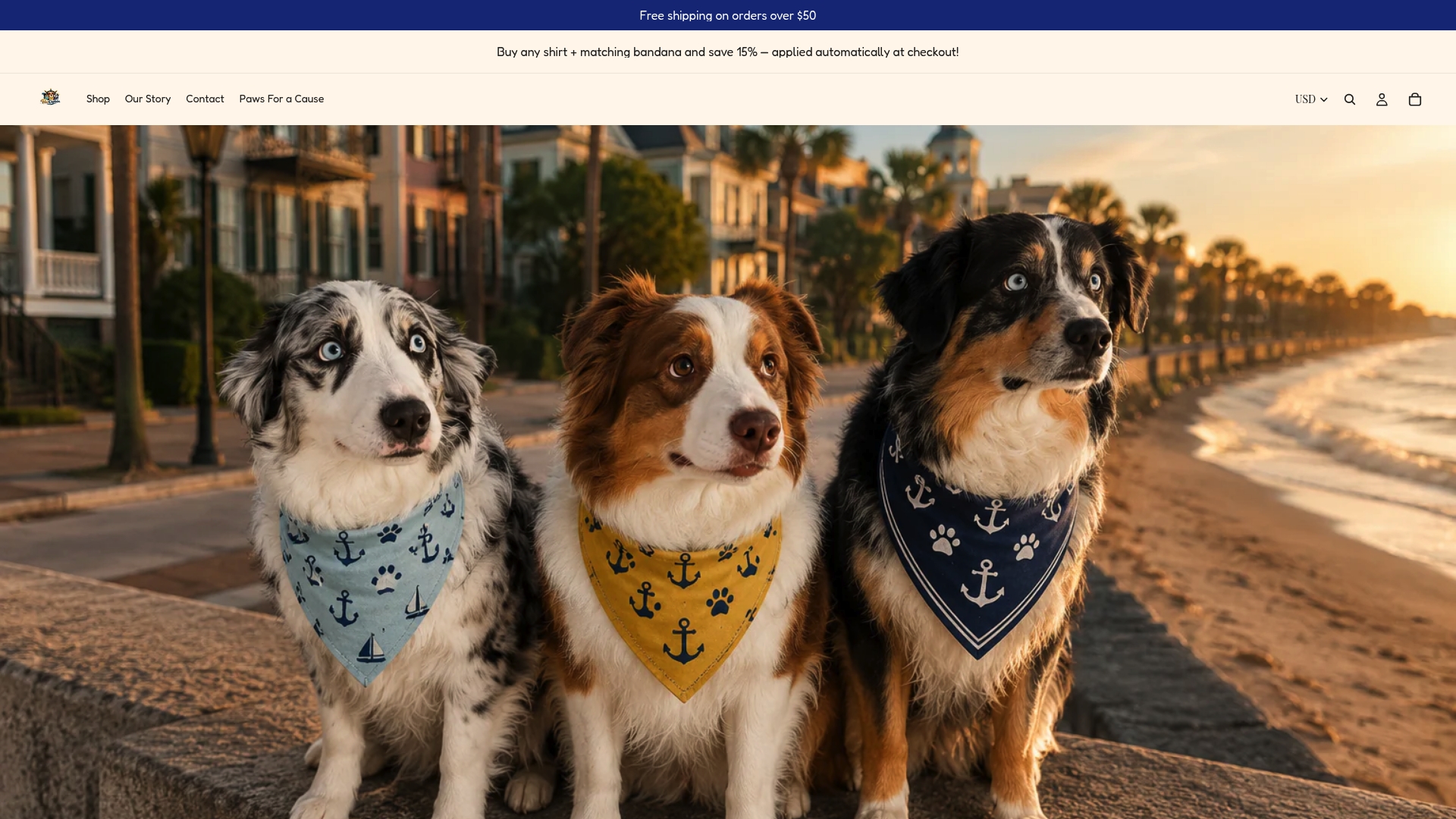
The First Mate Set pairs a dog bandana with a matching owner tee, giving you an instant coordinated look in one purchase. The Coastal Bow Club Matching Set brings soft pastel plaid into a bandana designed for both dogs and cats. Every piece is made to order using eco-friendly practices, which means less waste and a product built specifically for you. Pawcaptain also supports local animal shelters as the brand grows, so your purchase contributes beyond your own wardrobe. Browse the full collection at Pawcaptain to find the set that fits your style.
FAQ
What does “match dog collar outfit” actually mean?
A match dog collar outfit is a coordinated look where your dog’s collar shares a color, texture, or hardware finish with your own clothing or accessories. The goal is subtle visual connection, not identical dressing.
How do I use the two-finger rule for collar fit?
Slide two fingers between the collar and your dog’s neck. If they fit snugly without forcing, the collar fits correctly. Too tight risks choking; too loose creates escape and snag hazards.
Can I coordinate kids and dog outfits the same way?
Yes. The same principles apply when you coordinate kids and dog outfits: anchor the look with one shared color or pattern element and avoid matching busy prints on both. A child in a striped shirt paired with a dog in a striped bandana is a clean, readable look.
What is the easiest way to start a matching dog outfit?
Start with a bandana. It is removable, washable, and available in dozens of patterns. Match it to one item you already own, like a scarf or a shirt, and you have an instant coordinated look with no new wardrobe investment required.
Do floral dog collars work for everyday wear?
Floral collars work well for everyday wear when paired with a solid leash in the collar’s dominant color and neutral clothing on the owner’s end. They also suit seasonal and special occasion styling with minimal adjustment.