

Stylish pet gear is defined as functional accessories and apparel designed to reflect both pet wellbeing and owner identity, and it now drives a projected $26 billion market in the United States alone. That number signals a cultural shift, not just a shopping habit. Why stylish pet gear trends keep accelerating comes down to one core fact: 74.3% of pet owners now view their pets as family members. When a pet is family, their collar, harness, and bed become personal statements. Pawcaptain was built for exactly this moment, where coastal-inspired design, comfort, and sustainability meet the real needs of dog parents who want more than generic gear.
Why stylish pet gear trends keep growing in popularity
Pet humanization is the single biggest driver behind the rise of fashionable pet accessories. Pets have evolved from functional companions into emotional identities that owners share publicly. That shift changes what pet owners buy and why they buy it.
Social media accelerated this change faster than any other force. Instagram and TikTok turned everyday dog walks into style content, and pet influencers now shape what collars, bandanas, and harnesses look like season to season. A single viral post can make a specific color palette or silhouette the most searched pet accessory within days.
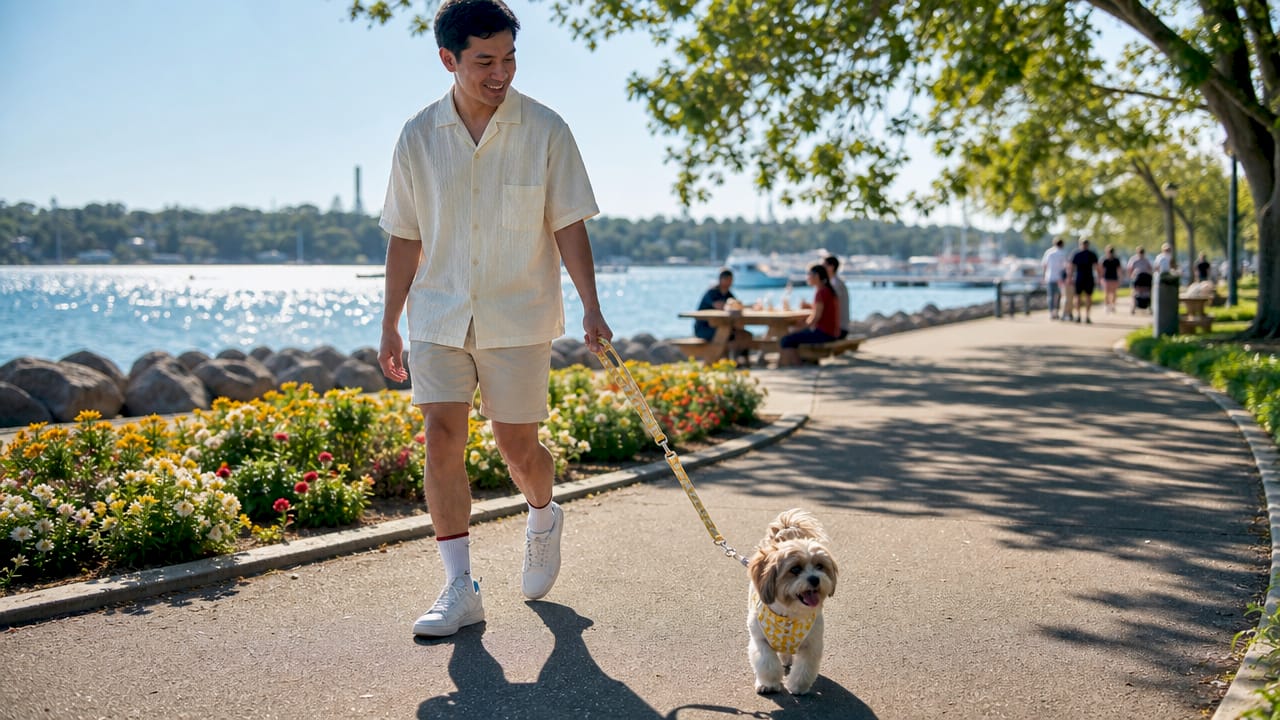
Gen Z and Millennials are the primary buyers pushing this market forward. These generations treat pet fashion as an extension of their own lifestyle brands, not a separate category. They want their dog’s bandana to coordinate with their own outfit, and they want the brand behind it to share their values.
The “twinning” trend captures this perfectly. Matching owner and pet accessories have moved from novelty to mainstream, with coordinated bandanas and tees becoming a standard way for dog parents to express their bond publicly. Social status plays a role too. The gear a dog wears communicates the owner’s taste, values, and attention to detail.
Pro Tip: Before buying any trendy pet accessory, check whether the brand publishes its sizing guide and material list. Brands that do are far more likely to prioritize fit and comfort alongside aesthetics.
How do comfort, safety, and functionality shape pet fashion?
The best pet fashion balances emotional identity with ergonomic design. Style without function is a problem, not a feature. Prioritizing branding over comfort is the most common mistake in pet gear purchasing, and it leads directly to chafing, restricted movement, and stressed animals.
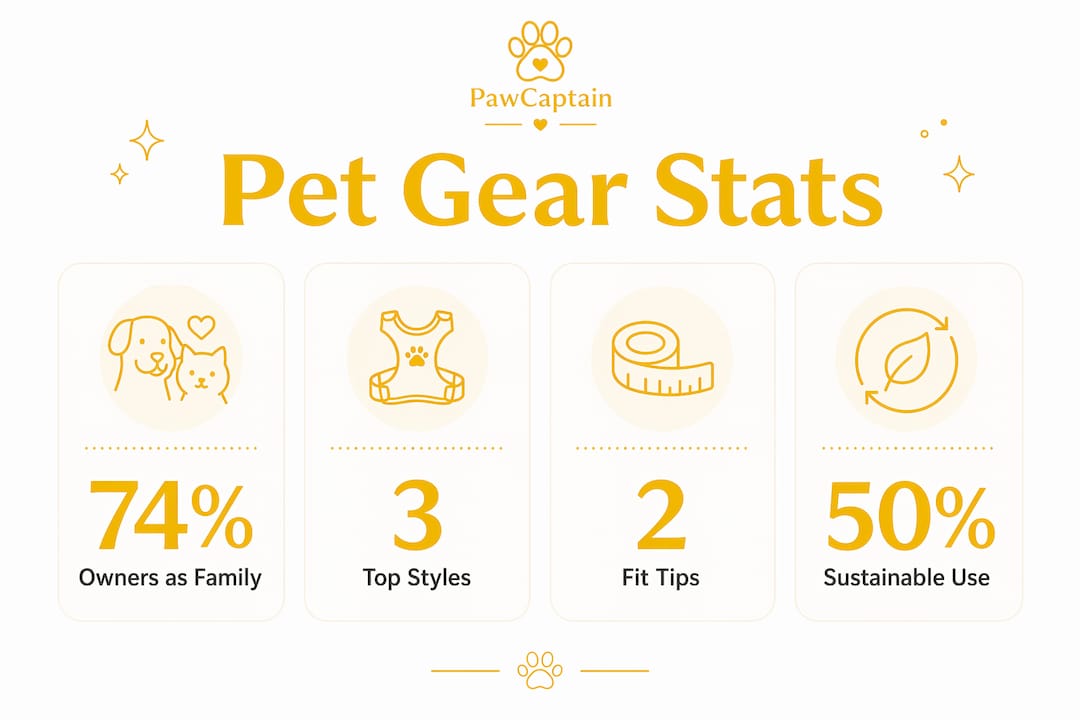
Modern pet owners now expect human-grade comfort and functionality in every piece of gear they buy. That expectation has raised the standard across the entire industry. Brands that ignore ergonomics lose repeat customers fast.
The materials that meet this standard include:
- Neoprene: Flexible, water-resistant, and gentle on skin. Ideal for harnesses and collars worn during outdoor activity.
- Breathable mesh: Keeps dogs cool during warm months. Works well in harness panels and vest-style gear.
- Quality hardware: Rust-resistant metal buckles and D-rings prevent failure during walks and reduce pressure on the neck.
- Organic cotton: Soft against sensitive skin. Common in bandanas, tees, and bed covers.
- Recycled polyester: Durable and eco-friendly. Increasingly used in beds and outer layers.
Design considerations go beyond material choice. A well-designed harness accounts for a dog’s anatomy, distributing pressure across the chest rather than the throat. Movement matters too. Gear that restricts a dog’s natural gait creates long-term joint stress. The styling checklist for dog accessories published by Pawcaptain covers fit, pressure points, and eco-conscious material selection in practical detail.
Pro Tip: Run two fingers under any collar or harness strap after fitting. If you cannot fit two fingers comfortably, the gear is too tight and needs adjustment before your dog wears it outside.
Which fashion styles are shaping pet gear in 2026?
Quiet luxury is the dominant aesthetic in pet fashion right now. Neutral tones, minimal branding, and clean silhouettes define this look. It mirrors the same trend in human fashion and appeals directly to owners who want their dog’s gear to feel considered rather than loud.
Four major style directions are shaping the pet gear market in 2026:
- Quiet luxury: Cream, oat, and slate tones with subtle texture. No visible logos. Linen-blend collars and understated leather leads.
- Y2K revival: Bold color blocking, metallic hardware, and playful prints. Popular with small breeds and social media-forward owners.
- Cottagecore: Floral patterns, soft pastels, and natural fabrics. Strong in the bandana and bed categories.
- Streetwear: Graphic tees, color-matched harnesses, and sneaker-culture references. Driven by urban dog owners who dress their pets to match their own fits.
Small breed dogs lead trend adoption in pet fashion marketing. Their size makes them easier to dress, photograph, and feature on social media. That visibility creates a feedback loop where small breed styles set the pace for the broader market.
Harnesses now function as visual style statements that blend design, identity, and comfort into a single piece. The collar and harness category has moved from utility aisle to fashion category. Beds follow the same logic. A coastal plaid dog bed in a well-designed living space is a decor choice as much as a pet purchase.
Pet accessories are cultural objects that express an owner’s lifestyle. That framing explains why collaborations between pet brands and human fashion designers have become a regular feature of the market. The gear signals who the owner is, not just what the dog wears.
Why is sustainability becoming essential in stylish pet gear?
Sustainable pet apparel reflects growing eco-conscious consumer values without compromising style or comfort. Pet owners who prioritize sustainability in their own lives now apply the same standard to what they buy for their dogs. The demand is real and it is reshaping how brands design and produce gear.
Recycled polyester and organic fabrics are now common in pet wearables. That shift happened because consumers asked for it and because sustainable materials have improved enough to meet durability and comfort standards. Eco-friendly no longer means lower quality.
Choosing sustainable pet gear without sacrificing style comes down to a few clear criteria:
- Look for brands that publish their material sourcing. Transparency is the baseline.
- Prioritize made-to-order production. It eliminates overstock waste and often results in better quality control.
- Choose natural or recycled fiber options for items worn against the skin, like bandanas and tees.
- Check for durability claims. Sustainable gear that lasts three years beats disposable gear replaced every six months.
- Support brands that connect their environmental values to community action, such as shelter partnerships.
Pawcaptain operates on a made-to-order model specifically to minimize waste. Every piece is produced when ordered, which cuts excess inventory and reduces the environmental cost of overproduction. The guide to sustainable pet products on the Pawcaptain blog walks through how to evaluate materials, production methods, and brand ethics before buying.
How can pet owners select stylish gear that actually fits?
Accurate measurement is the foundation of every good pet gear purchase. Small breeds require precise measurements for well-fitted gear, especially given the return constraints many brands impose. Getting this wrong means a stylish piece that sits in a drawer unused.
Follow these steps when selecting any new piece of pet gear:
- Measure neck, chest, and back length before looking at any product page. Use a soft tape measure and record in inches.
- Cross-reference with the brand’s size chart, not generic sizing labels. A “medium” varies significantly between brands.
- Prioritize ergonomic fit over visual appeal. If a harness looks great but the chest panel sits on the shoulder joint, it will cause discomfort during walks.
- Match gear to your dog’s activity level. A dog that swims needs water-resistant materials. A dog that hikes needs reinforced hardware.
- Coordinate with your own style intentionally. The pet loungewear and comfort guide from Pawcaptain covers how to match indoor and outdoor gear to your dog’s lifestyle and your personal aesthetic.
- Avoid over-decoration. Excessive embellishments add weight and can snag on surfaces. Clean design almost always performs better in real use.
Pro Tip: Buy one well-made piece at a time rather than a full set. Test fit and comfort on a short walk before committing to a matching collection. Your dog’s reaction tells you more than any size chart.
Ethical shopping also matters here. Gear from brands that use durable materials and responsible production lasts longer, costs less per use, and creates less waste. That is a practical argument for quality, not just a moral one.
Key takeaways
Stylish pet gear trends are driven by pet humanization, social media influence, and the demand for gear that balances fashion, comfort, and sustainability in equal measure.
| Point | Details |
|---|---|
| Pet humanization drives demand | 74.3% of owners view pets as family, making gear a personal and cultural statement. |
| Comfort must match aesthetics | Ergonomic materials like neoprene and breathable mesh prevent chafing and restricted movement. |
| Four styles lead in 2026 | Quiet luxury, Y2K, cottagecore, and streetwear are the dominant pet fashion directions this year. |
| Sustainability is now standard | Made-to-order production and recycled materials reduce waste without lowering quality or style. |
| Fit comes before fashion | Accurate measurements and activity-matched materials prevent the most common gear mistakes. |
Style, comfort, and the choices that actually matter
The tension I see most often in pet fashion is between what looks good in a product photo and what actually works on a living, moving dog. Brands lean hard into aesthetics because aesthetics sell. But a harness that photographs beautifully and fits poorly is a problem the owner discovers on the first walk, not in the store.
What I find genuinely interesting about the 2026 market is that the best brands have stopped treating style and function as a tradeoff. The quiet luxury trend, in particular, rewards this approach. Clean design, quality materials, and neutral palettes tend to be more comfortable by default because they strip away the decorative elements that cause fit problems.
The sustainability piece is where I think pet owners underestimate their own influence. Made-to-order production is not a marketing line. It is a fundamentally different business model that reduces waste at the source. When you buy from a brand that produces on demand, you are directly reducing overstock. That is a concrete outcome, not a vague environmental gesture.
My honest advice: treat your dog’s gear with the same critical eye you apply to your own wardrobe. Ask who made it, what it is made from, and whether it will hold up for two years of real use. The bespoke pet apparel guide is a good starting point for understanding what quality construction actually looks like in this category.
Style that honors your dog’s comfort is not a compromise. It is the standard.
— Michael
Pawcaptain’s coastal pet gear collection
Pawcaptain designs coastal-inspired pet gear that puts comfort and sustainability first, without asking you to trade away style.
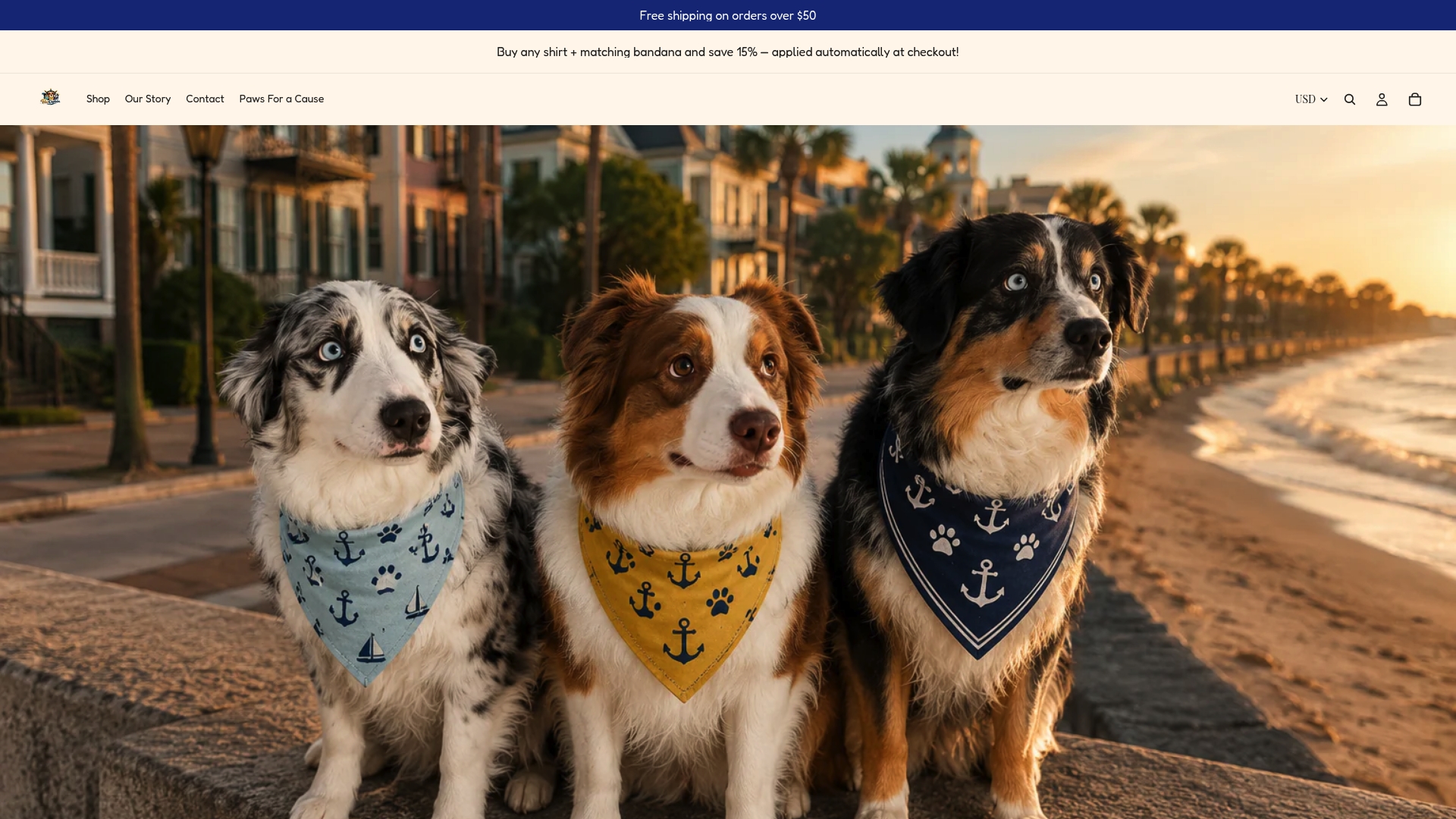
The Coastal Bow Club Matching Set brings the twinning trend to life with pastel bandanas sized for dogs and their owners. The Coastal Crab Plaid Dog Bed pairs current aesthetic trends with materials built for real comfort. Every piece is made to order, which means zero overstock and full attention to quality. Pawcaptain also directs a portion of proceeds toward local animal shelters as the brand grows. Browse the full collection at Pawcaptain and find gear that fits your dog’s life and your own style.
FAQ
What are the main drivers behind stylish pet gear trends?
Pet humanization is the primary driver. With 74.3% of owners viewing pets as family members, gear has become a form of personal and cultural expression rather than a purely functional purchase.
How do I know if a stylish harness is actually comfortable for my dog?
Check that the chest panel sits flat across the sternum, not on the shoulder joints, and that you can fit two fingers under every strap. Materials like neoprene and breathable mesh signal ergonomic intent.
Which pet fashion styles are most popular in 2026?
Quiet luxury leads the market, followed by Y2K, cottagecore, and streetwear. Neutral tones and minimal branding are the most consistent thread across all four directions.
Why does sustainable pet gear matter for style-conscious owners?
Sustainable materials like recycled polyester and organic cotton now match conventional materials in durability and comfort. Choosing them supports made-to-order production models that reduce waste without lowering quality.
Do small dogs need different sizing considerations than large breeds?
Small breeds require precise measurements because minor fit errors have a larger proportional impact on comfort and movement. Always use the brand’s specific size chart rather than generic size labels.