

Pet apparel is a proven tool for strengthening the bond between dogs and their owners through shared identity, positive rituals, and emotional connection. The concept goes beyond aesthetics. When you dress your dog in coordinated clothing, you create predictable routines that build trust, trigger positive memories, and signal belonging. A 2026 behavioral study confirmed that why pet apparel boosts bonding comes down to three factors: shared identity, memory anchoring, and the neurochemical effects of coordinated positive experiences. Pawcaptain designs its coastal-inspired matching sets with exactly these principles in mind, combining comfort, style, and sustainability.
Why pet apparel boosts bonding through shared rituals
Coordinated outfits between you and your dog create a shared identity that goes beyond fashion. Clothing serves as a visual love language, signaling to your dog that they belong to your family unit. This is not symbolic. Dogs read social cues from their owners constantly, and wearing matching colors or patterns during regular activities reinforces that connection in a concrete way.
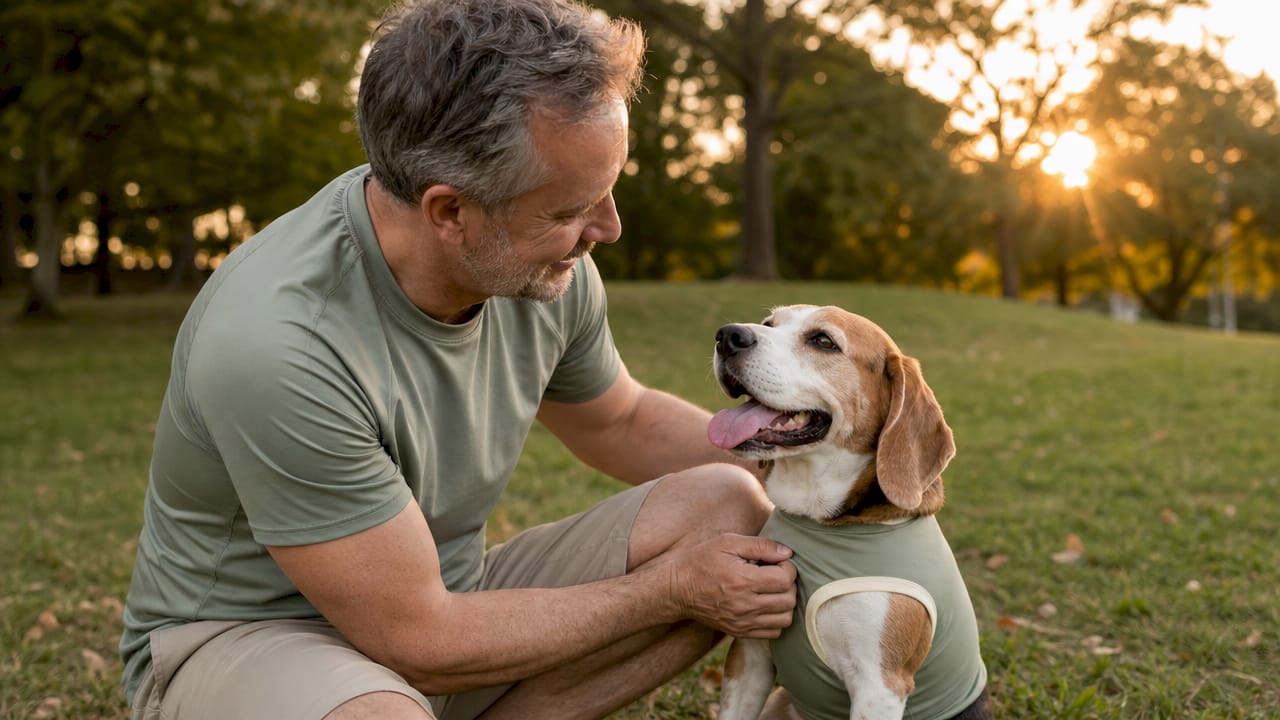
The most effective ritual built around pet apparel is what behavioral researchers call “Outfit Hour.” Designating 20–30 minute weekly blocks for coordinated accessories builds shared identity and helps pets feel safer and more connected. The predictability of the routine matters as much as the outfit itself. Dogs thrive on consistency, and a weekly Outfit Hour gives them a reliable, positive event to anticipate.
Common rituals that work well with coordinated apparel include:
- Morning walks with matching bandanas, turning a daily routine into a shared identity moment
- Photo sessions at home or outdoors, which create lasting visual memories of your bond
- Family micro-events like weekend brunches or holiday gatherings where coordinated vibes replace full costumes
- Social outings to dog-friendly cafes or parks where matching accessories signal belonging to the wider community
Pro Tip: Start with a single weekly Outfit Hour rather than daily dressing. Consistency over frequency builds stronger associations for your dog.
The benefits of pet apparel in this context are not about the clothes themselves. They are about the attention, touch, and positive interaction that happen during dressing and shared activities. Each session reinforces your dog’s sense of security and your role as a trusted companion.
How does matching apparel affect your dog’s psychology?
The psychological mechanism behind pet clothing and bonding operates through two pathways: memory anchoring and oxytocin release. Understanding both explains why this practice works consistently across different breeds and owner personalities.
Memory anchoring is the process by which a specific object or sensory cue becomes linked to a positive emotional experience. Matching outfits worn during positive shared experiences become psychological memory anchors that reinforce emotional bonding. Every time your dog sees or wears a particular bandana associated with a great walk, their brain recalls the positive experience. Over time, the garment itself triggers calm, happy behavior before the activity even begins.
The second pathway is neurochemical. Coordinated apparel contributes to oxytocin release, the bonding hormone triggered by petting and shared activities. This deepens the emotional connection between owner and dog in a measurable way. Oxytocin is the same hormone released during eye contact and physical touch between dogs and their owners. Apparel-based rituals amplify this effect by adding a consistent sensory and social cue to the interaction.
A 2026 study also applied the theory of planned behavior to matching outfit adoption among pet owners. The findings showed:
- Behavioral attitude toward matching outfits directly predicted purchase intention and consistent use.
- Aesthetic risk (fear that the outfit looks wrong or causes discomfort) was the primary barrier to adoption.
- Prioritizing product design and minimizing physical risk positively influenced adoption of matching outfit lifestyles.
- Social norms around pet humanization reinforced the emotional motivation to dress pets as family members.
Matching apparel worn consistently during walks, photo sessions, and family events becomes a memory marker. It links the garment to positive shared experiences, reinforcing partnership and emotional synchronization between owner and dog.
The pet humanization trend drives much of this behavior. Pets included in family identity through matching outfits are treated as core family members, not accessories. This shift in perception deepens the owner’s emotional investment and, in turn, the quality of care and attention the dog receives.
What design features keep pet apparel safe and comfortable?
Comfort is not optional when it comes to pet apparel and owner connection. A poorly fitted garment negates every bonding benefit and can actively damage trust. High clothing pressure impairs respiratory function and movement tolerance, particularly in brachycephalic breeds like French Bulldogs, Pugs, and Boston Terriers. This is a design problem, not a breed problem.
Fabric choice is the first variable to control. Thick or stiff fabrics increase pressure in sensitive areas like the abdomen and chest. Lightweight, stretchy materials distribute pressure evenly and allow natural movement. The comfort evaluation of dog apparel shows that fit and fabric together determine whether a garment supports or undermines the bonding experience.
| Design feature | Supports bonding | Undermines bonding |
|---|---|---|
| Lightweight, stretchy fabric | Allows free movement and reduces stress | Thick, stiff fabric restricts breathing |
| Proper neck and chest fit | Prevents chafing and pressure points | Tight collars or chest bands cause distress |
| Easy on/off design | Makes dressing a positive, low-stress ritual | Complicated fastenings create anxiety |
| Coordinated color palette | Signals belonging without full costume | Over-restrictive costumes limit movement |
Micro-events and coordinated vibes are preferred over full costumes for exactly this reason. A matching bandana or color-coordinated collar achieves the identity signal without the physical restriction of a full outfit. This approach reduces stress and increases the practicality of daily wear.
Pro Tip: Before buying any garment, measure your dog’s neck, chest, and back length. Compare against the brand’s size chart rather than estimating by breed name alone. Sizing varies significantly across product lines.
The goal is a garment your dog forgets they are wearing. When apparel disappears into the background of a positive experience, the bonding benefit is maximized. When it becomes a source of discomfort, the opposite happens. Your dog associates the dressing ritual with stress, and trust erodes.
How to build apparel-based bonding routines that actually stick
Starting small is the most reliable approach. Introduce accessories before full garments. A bandana around the neck during a walk is far less intrusive than a full outfit, and it still delivers the matching pet apparel signal that builds shared identity. Let your dog sniff and investigate new items before putting them on.
Practical steps for building a lasting routine:
- Week 1: Introduce a bandana or collar accessory during a positive activity like a walk or playtime. Keep sessions short.
- Week 2: Schedule a fixed Outfit Hour, same day and time each week. Pair it with a treat or favorite activity.
- Week 3: Add a photo session to the Outfit Hour. This creates a visual record of the ritual and reinforces the positive memory.
- Week 4 onward: Rotate accessories seasonally. Seasonal apparel choices keep the routine fresh without disrupting the predictability your dog relies on.
Positive reinforcement is non-negotiable. Reward calm behavior during dressing with treats and praise. Never force a garment onto a resistant dog. The ritual only works when your dog associates it with good things. Weekly family rituals incorporating pet apparel, such as themed outfit selection and photo sessions, make bonding moments predictable and positive.
Photographing and sharing these moments extends the bonding benefit. Reviewing photos together (yes, dogs respond to images and sounds from shared experiences) reinforces the memory. Sharing on social platforms also connects you to a community of dog owners who treat their pets as family members, which strengthens your own commitment to the practice.
For dogs that are emotional support animals, consistent apparel rituals carry additional weight. The predictability and sensory familiarity of a regular outfit can contribute to the dog’s sense of stability and the owner’s sense of connection.
Key Takeaways
Pet apparel boosts bonding by creating shared rituals, anchoring positive memories, and triggering oxytocin release, with comfort-focused design determining whether those benefits are realized or lost.
| Point | Details |
|---|---|
| Shared identity through apparel | Coordinated outfits signal belonging and reinforce your dog’s place in the family. |
| Outfit Hour builds trust | A weekly 20–30 minute ritual creates predictability that dogs associate with safety. |
| Memory anchoring works | Garments worn during positive events become emotional triggers for calm, happy behavior. |
| Comfort is non-negotiable | Poor fit and stiff fabrics cause distress and erode the trust that bonding requires. |
| Start with accessories | Bandanas and coordinated colors deliver the identity signal without the stress of full costumes. |
Why I think most people underestimate the ritual, not the outfit
The conversation around pet apparel almost always focuses on the clothes. People debate whether dogs “like” being dressed, whether it looks silly, or whether it serves a practical purpose. That debate misses the point entirely.
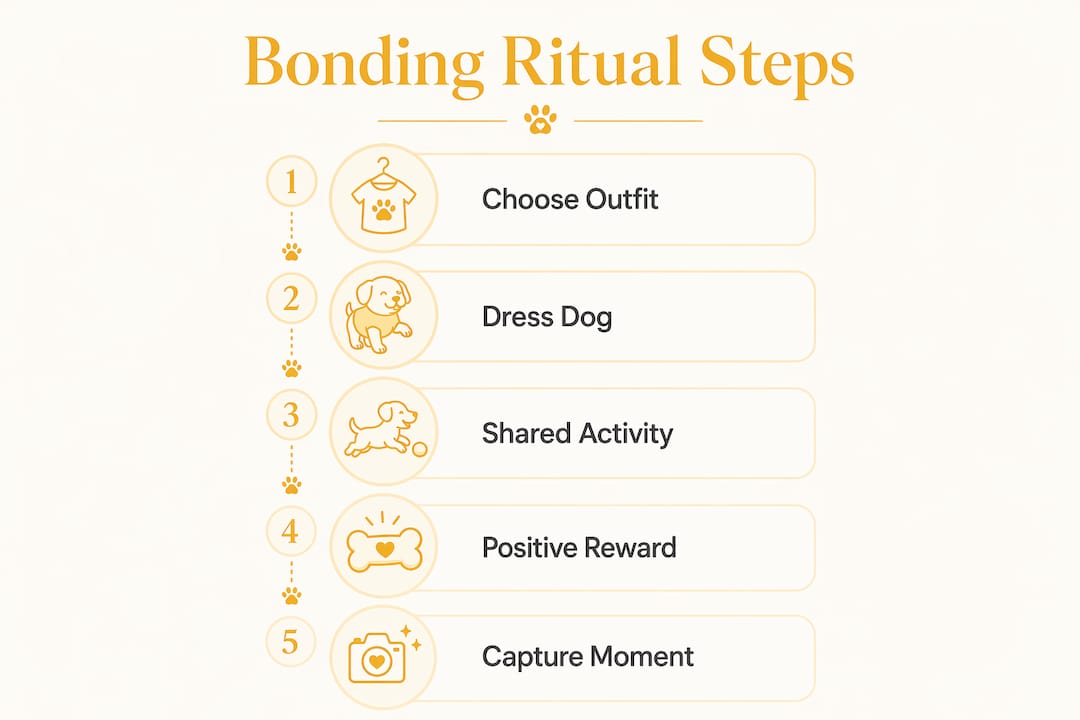
What actually builds the bond is the ritual around the apparel, not the garment itself. The five minutes you spend choosing a bandana, putting it on your dog carefully, rewarding calm behavior, and then heading out together. That sequence of attention, touch, and positive reinforcement is where the bonding happens. The outfit is just the anchor.
I have seen dog owners with the most stylish matching sets who change outfits constantly and never build a consistent routine. Their dogs tolerate the dressing but do not associate it with anything meaningful. Then there are owners with a single well-worn bandana they put on every Saturday morning before a walk. Their dogs start getting excited the moment they see it come out of the drawer. That is memory anchoring in action.
The comfort and style balance matters because a dog that is uncomfortable during dressing will never build positive associations with the ritual. But beyond that baseline, the quality of the garment matters far less than the consistency of the routine. Pick something your dog tolerates well, make it a weekly habit, and pair it with something your dog loves. The bond follows.
— Michael
Pawcaptain’s matching sets for your bonding rituals
Pawcaptain designs coastal-inspired matching apparel built around exactly the principles covered here: comfort-first construction, coordinated aesthetics, and made-to-order production that minimizes waste.
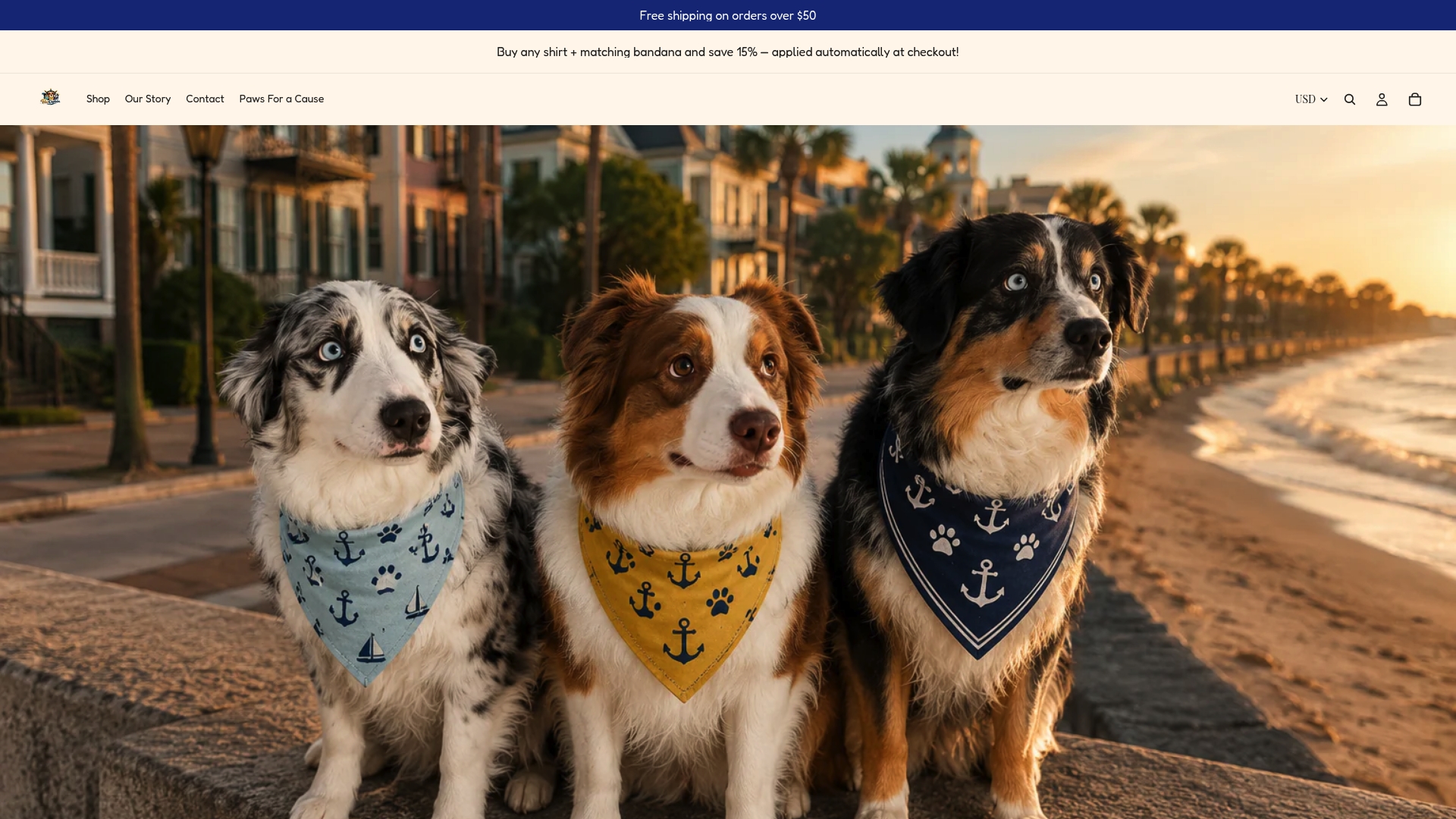
The Coastal Bow Club Matching Set is the ideal starting point for an Outfit Hour ritual. Lightweight fabric, easy fastening, and a coordinated design for both you and your dog. For dogs that need a cozy anchor point for their routine, the Coastal Postcard Dog Bandana pairs well with any casual weekend look. Every Pawcaptain product ships made to order, so nothing sits in a warehouse and nothing goes to waste. Your bonding ritual starts with the right gear.
FAQ
Why does pet apparel strengthen the bond with dogs?
Pet apparel strengthens the bond by creating consistent rituals that dogs associate with positive experiences, triggering oxytocin release and building a shared identity between owner and dog.
What is Outfit Hour and how does it help bonding?
Outfit Hour is a weekly 20–30 minute block dedicated to coordinated accessories and shared activities. The predictability of the routine helps dogs feel secure and deepens the emotional connection with their owner.
Are full costumes better than accessories for bonding?
Accessories like bandanas are more effective than full costumes for most dogs. Micro-events and coordinated vibes reduce stress and increase daily practicality, which supports consistent bonding rituals.
Can pet apparel cause stress instead of bonding?
Yes, if the fit is poor or the fabric is too stiff. High clothing pressure impairs movement and breathing, especially in flat-faced breeds, turning a bonding ritual into a source of anxiety.
How do I know if my dog is comfortable in their outfit?
A comfortable dog moves freely, shows no signs of panting or freezing, and does not attempt to remove the garment. If your dog signals discomfort through body language, remove the item and try a lighter, looser alternative.